Doctors Warn Against Eating Certain Vegetables Raw Over Serious Infection Risks
Health experts caution that consuming some vegetables without proper cooking may expose individuals to harmful bacteria and parasites that can affect the brain and digestive system
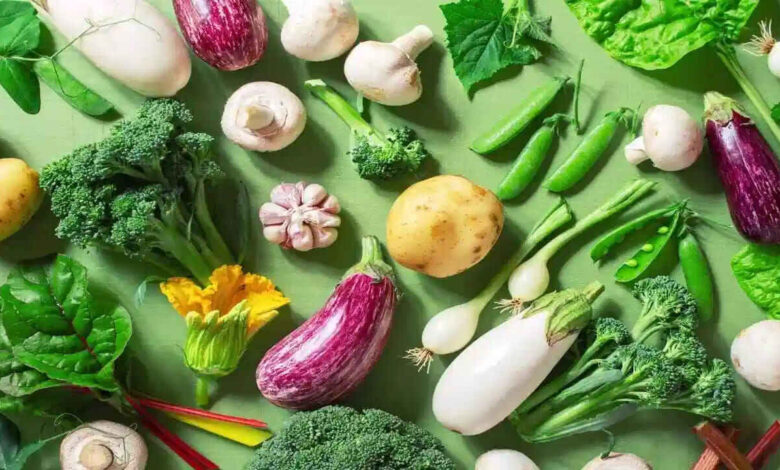
Eating raw vegetables has become a popular health trend, especially among those who believe that uncooked food retains maximum nutrients. While salads and fresh greens are often seen as a symbol of clean eating, doctors are now urging caution. According to gastroenterology specialists, not all vegetables are safe to consume raw, and in some cases, the risks can be severe.
Medical experts explain that certain vegetables may carry bacteria, parasite eggs or natural toxins that are not easily removed by simple washing. If consumed without proper cooking, these contaminants can enter the bloodstream and potentially affect vital organs, including the brain.
Cabbage, a common ingredient in salads, is one such example. Specialists warn that parasite eggs can sometimes remain trapped within its layered structure. If not thoroughly cooked, these parasites may enter the body and in rare cases contribute to serious infections such as neurocysticercosis, a condition that can impact the brain. Proper cooking significantly reduces this risk.
Spinach, widely regarded as a superfood, also requires attention. Though rich in nutrients, raw spinach may harbor harmful bacteria such as E coli. In addition, it contains high levels of oxalates, which in excess can contribute to kidney stone formation. Light steaming or boiling not only helps eliminate potential pathogens but also reduces oxalate content, making it safer for regular consumption.


Brinjal, or eggplant, is another vegetable doctors advise against eating raw. It contains solanine, a naturally occurring compound that can cause nausea, vomiting and digestive discomfort if consumed uncooked. Cooking neutralizes this compound and makes the vegetable safe and easier to digest.
Health professionals further caution against consuming certain other vegetables raw, including capsicum, colocasia leaves and kale, especially when sourced from areas where hygiene standards may be uncertain. These foods can carry microorganisms that weaken the immune system or trigger gastrointestinal infections.
Doctors emphasize that healthy eating is not just about choosing vegetables but also about preparing them correctly. Washing thoroughly, cooking adequately and maintaining kitchen hygiene are crucial steps in preventing foodborne illnesses. While raw foods can be beneficial in many cases, understanding which vegetables require heat treatment can protect long term health.
The message from experts is clear balanced nutrition should go hand in hand with safe preparation practices. Taking a few extra minutes to cook vegetables properly may prevent serious health complications later.