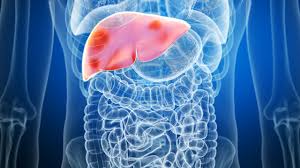
Bloating Or Acidity Ignoring The Difference Could Cost You Dearly
Doctors warn that frequent bloating is often mistaken for simple acidity but persistent symptoms may signal thyroid imbalance irritable bowel syndrome or metabolic disorders requiring timely medical evaluation and care.

Many people dismiss a tight or swollen stomach as nothing more than overeating or routine acidity. A quick tablet is swallowed and the discomfort is forgotten. But health experts caution that when bloating becomes a near daily experience, it may be the body sending an early warning.
It often starts subtly. Clothes feel tighter by evening. A small meal leaves you unusually full. There is a constant sense of pressure in the abdomen. While occasional bloating after a heavy feast or fizzy drinks is common, doctors say persistent symptoms lasting weeks should not be brushed aside.
Acidity and bloating are frequently confused, yet they are not the same. Acidity typically causes a burning sensation in the chest, sour belching and discomfort in the upper abdomen. Bloating, on the other hand, feels like heaviness, pressure or visible swelling in the stomach area. Though both can occur together, their triggers may differ.
Medical professionals explain that bloating without classic acidity can stem from slow bowel movement, food intolerance, excess gas, hormonal fluctuations or even thyroid disorders. In some cases, it may point to conditions such as irritable bowel syndrome, metabolic imbalance or other functional gastrointestinal issues that do not always show up clearly in routine scans.


Urban lifestyles are adding to the problem. High stress levels, irregular meals and lack of physical activity are contributing to digestive complaints. Stress in particular can disrupt gut bacteria and intestinal movement, worsening symptoms. Hormonal shifts during menstruation or perimenopause may also lead to water retention and increased gas. Low thyroid levels can slow digestion, further intensifying bloating.
Doctors advise paying attention to associated symptoms. Persistent abdominal pain, constipation or diarrhea, feeling full very quickly, unexplained fatigue, weight loss or fever alongside bloating require medical attention. If digestive discomfort continues for more than three months, self medication is not advisable.
While antacids may provide temporary relief, repeated use can mask an underlying condition. Physicians recommend proper evaluation, which may include blood tests for thyroid function and anemia, stool tests and if necessary imaging or endoscopy to rule out deeper concerns.
For mild cases, simple measures can make a difference. A balanced diet rich in fiber, adequate hydration, regular exercise and stress management often help restore digestive balance. However, experts stress that when the body repeatedly signals discomfort, ignoring it can lead to more serious consequences.
Understanding the difference between simple acidity and chronic bloating is not just about comfort. It is about recognizing when your body is asking for attention and responding before the problem grows harder to treat.
Many people dismiss a tight or swollen stomach as nothing more than overeating or routine acidity. A quick tablet is swallowed and the discomfort is forgotten. But health experts caution that when bloating becomes a near daily experience, it may be the body sending an early warning.
It often starts subtly. Clothes feel tighter by evening. A small meal leaves you unusually full. There is a constant sense of pressure in the abdomen. While occasional bloating after a heavy feast or fizzy drinks is common, doctors say persistent symptoms lasting weeks should not be brushed aside.
Acidity and bloating are frequently confused, yet they are not the same. Acidity typically causes a burning sensation in the chest, sour belching and discomfort in the upper abdomen. Bloating, on the other hand, feels like heaviness, pressure or visible swelling in the stomach area. Though both can occur together, their triggers may differ.
Medical professionals explain that bloating without classic acidity can stem from slow bowel movement, food intolerance, excess gas, hormonal fluctuations or even thyroid disorders. In some cases, it may point to conditions such as irritable bowel syndrome, metabolic imbalance or other functional gastrointestinal issues that do not always show up clearly in routine scans.
Urban lifestyles are adding to the problem. High stress levels, irregular meals and lack of physical activity are contributing to digestive complaints. Stress in particular can disrupt gut bacteria and intestinal movement, worsening symptoms. Hormonal shifts during menstruation or perimenopause may also lead to water retention and increased gas. Low thyroid levels can slow digestion, further intensifying bloating.
Doctors advise paying attention to associated symptoms. Persistent abdominal pain, constipation or diarrhea, feeling full very quickly, unexplained fatigue, weight loss or fever alongside bloating require medical attention. If digestive discomfort continues for more than three months, self medication is not advisable.
While antacids may provide temporary relief, repeated use can mask an underlying condition. Physicians recommend proper evaluation, which may include blood tests for thyroid function and anemia, stool tests and if necessary imaging or endoscopy to rule out deeper concerns.
For mild cases, simple measures can make a difference. A balanced diet rich in fiber, adequate hydration, regular exercise and stress management often help restore digestive balance. However, experts stress that when the body repeatedly signals discomfort, ignoring it can lead to more serious consequences.
Understanding the difference between simple acidity and chronic bloating is not just about comfort. It is about recognizing when your body is asking for attention and responding before the problem grows harder to treat.