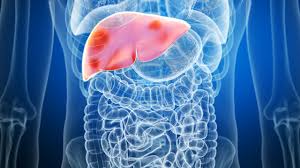

Blood In Urine A Warning Sign Of Kidney Cancer Or Something Else
Doctors say blood in urine is not always cancer but ignoring repeated episodes along with pain weight loss or back discomfort could delay diagnosis of serious kidney related conditions.
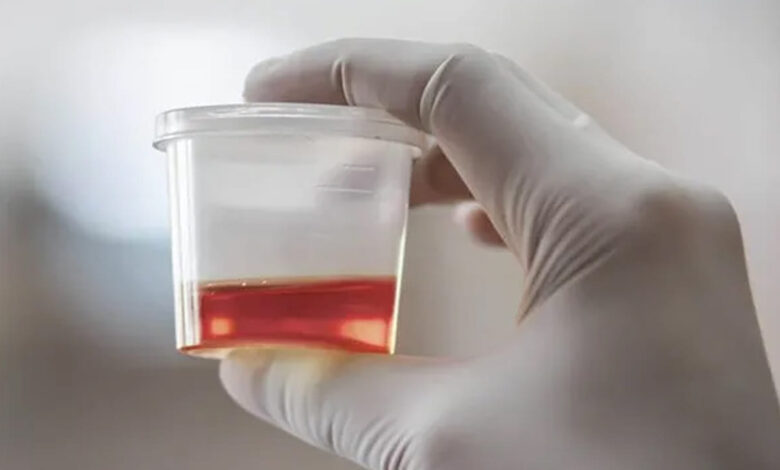
Spotting blood in urine can be alarming, yet many people dismiss it as a minor issue that will pass on its own. Health experts warn that while it may not always signal cancer, it should never be ignored, especially if it persists beyond a day or two.
According to medical professionals, blood in urine can occur for several reasons. Common causes include urinary tract infections, kidney stones, certain medication side effects and prostate related problems. In many cases, timely treatment resolves the issue without long term complications.
However, doctors caution that repeated episodes demand attention. If blood in urine is accompanied by persistent back pain on one side, unexplained weight loss or ongoing discomfort, it may indicate a more serious underlying condition, including kidney cancer.
Specialists point out that kidney cancer does not always present with dramatic symptoms in its early stages. Sometimes, visible blood in urine may be the first noticeable sign. While a single isolated episode may not be cause for panic, continued bleeding beyond two days should prompt immediate medical consultation.


Diagnosis usually begins with basic investigations such as a urine test or ultrasound scan. If doctors suspect a deeper issue, additional procedures like cystoscopy may be recommended, particularly in patients with severe or persistent symptoms. Early detection significantly improves treatment outcomes, even in cases where cancer is identified.
Medical experts also stress that people often ignore other urinary symptoms such as foul smelling urine or burning sensation during urination. These signs may point to infection, but when paired with blood in urine, they require careful evaluation rather than self medication.
Preventive steps can reduce risk and support urinary health. Drinking at least seven glasses of water daily helps flush toxins and lowers the chances of infections and stone formation. Maintaining a balanced diet, staying physically active with simple daily walks and seeking prompt treatment for infections are equally important.
Doctors emphasize that awareness is key. Blood in urine is not always a sign of cancer, but treating it casually can delay diagnosis of serious kidney related disorders. Listening to the body and seeking medical advice at the right time can make a crucial difference in long term health outcomes.