

Debunking the Myth: Beer and Kidney Stones – What Doctors Really Say
Contrary to popular belief, drinking beer does not dissolve kidney stones, and proper hydration with water along with medical guidance is essential for kidney health and stone management
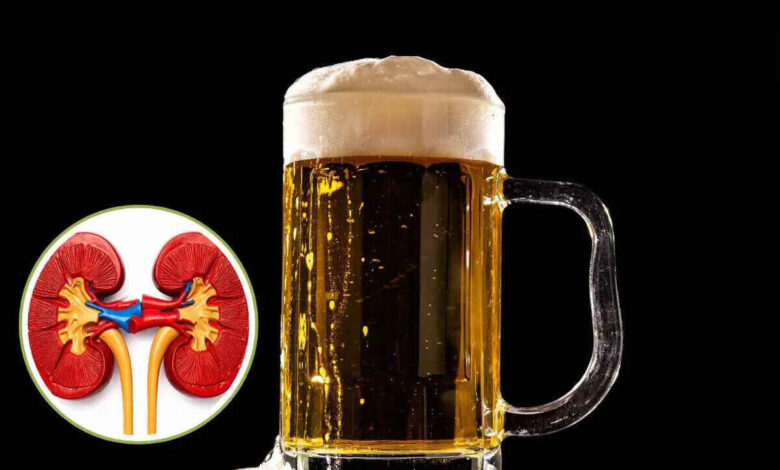
Kidney stones are becoming increasingly common among young adults, largely due to changing diets and lifestyle habits. When diagnosed, many people are quick to suggest that drinking beer can help flush out the stones. But how much truth is in this claim? Experts from New Delhi’s Sir Ganga Ram Hospital, including Vice Chairman of the Urology Department Dr. Amarendra Pathak, clarify the facts.
Kidney stones form when minerals such as calcium, oxalate, and uric acid accumulate in the kidneys and crystallize over time. These crystals can grow into stones, which, if they obstruct the urinary tract, cause severe pain, burning sensations, and sometimes blood in the urine.
The belief that beer can eliminate kidney stones is a misconception. While drinking beer can temporarily increase urine production, the same effect can be achieved more safely by drinking plain water or lemon juice. Alcohol in beer, on the other hand, can harm the body, increase uric acid levels, and even worsen kidney inflammation if a stone is already obstructing the tract. Excessive alcohol consumption also poses risks to the liver and can lead to dependency.
For kidney stones smaller than five millimeters, natural passage through the urinary tract is often possible with adequate hydration. Drinking plenty of water thins the urine and facilitates the movement of stones. Larger stones, however, require professional intervention, which may include medical treatment or surgical procedures under the guidance of a urologist.


In short, the notion that beer can dissolve kidney stones is not only false but potentially harmful. Individuals with kidney issues are advised to avoid alcohol entirely and seek expert medical advice rather than relying on myths or self-treatment. Staying well-hydrated with water and consulting a specialist remains the safest approach for managing kidney stones effectively.