

Morning Walking on an Empty Stomach Is It Really Safe in Summer Heat Experts Explain What You Should Know
Many people prefer morning walks without eating anything, especially for weight loss, but rising summer temperatures and health conditions make it important to understand the risks, timing, hydration needs and safety tips before continuing this habit
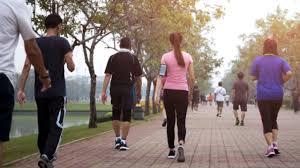
The summer heat is getting harsher each day, and even early mornings are no longer as cool as they used to be. Roads feel heated up quickly, and fitness lovers who once enjoyed peaceful morning walks are now struggling with rising temperatures and discomfort.
Despite the changing weather, many people still head out for their daily walk on an empty stomach. The common belief is that walking without eating helps burn more fat. While this may sound simple and effective, health experts say the reality is more nuanced, especially during extreme summer conditions.
Doctors point out that walking on an empty stomach is not suitable for everyone. It depends heavily on a person’s overall health and hydration levels. People who are generally healthy and well hydrated may tolerate it, but even they should listen carefully to their body signals during or after exercise.
If someone feels dizzy, extremely tired, or experiences weakness after a walk, it is a clear sign that the body is not coping well with fasting exercise. In such cases, ignoring these symptoms can be risky, and consulting a medical professional becomes important.


The risk becomes even higher for people living with diabetes. Experts strongly warn that exercising without eating can cause a sudden drop in blood sugar levels. This can lead to weakness, confusion, or even fainting in some cases, especially during hot weather.
Health specialists suggest a small pre walk snack for diabetic individuals or those prone to low energy. Foods like soaked chickpeas or light protein rich options can help maintain stable energy levels and prevent sudden sugar fluctuations during exercise.
Another major concern during summer is dehydration. With higher temperatures, the body loses fluids much faster through sweat. Walking without proper hydration can lead to headaches, muscle cramps, and fatigue, even if the walk is not very long.
Experts recommend drinking enough water at least thirty minutes before heading out. This simple habit helps maintain fluid balance in the body and reduces the risk of heat related discomfort during morning exercise.
Timing also plays a crucial role in safe walking habits. In summer, temperatures start rising as early as seven in the morning. That is why early hours between five and six are considered the safest window for outdoor walks.
If walking is done after sunrise and into hotter hours, the body temperature can rise quickly, increasing the risk of heat exhaustion or even heatstroke. Choosing the right time, staying hydrated, and listening to the body can make morning walks both safe and beneficial.