

AI Push Against Alzheimer Disease Gains Momentum After Sam Altman Funding Announcement
A major funding move and AI driven research partnerships aim to accelerate Alzheimer detection treatment and drug discovery offering new hope to millions affected by memory loss worldwide today
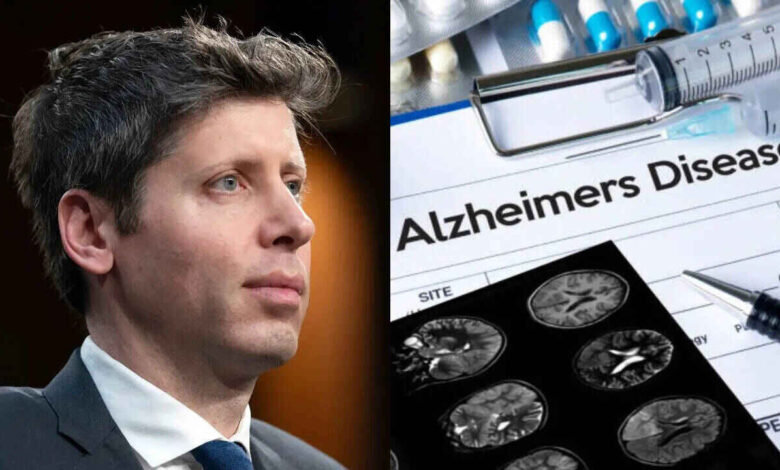
A renewed wave of optimism is building in the medical community following a major announcement by Sam Altman, who has pledged significant support toward tackling Alzheimer’s disease. The condition, known for gradually erasing memory and independence, has long challenged scientists searching for effective treatments.
Rather than focusing only on traditional research methods, the latest push is centered on artificial intelligence. Experts believe AI could transform how this complex brain disorder is understood and treated. By processing massive volumes of medical data in seconds, AI systems can identify patterns that might take humans years to detect, potentially speeding up diagnosis and drug discovery.
The initiative goes beyond funding. Backed by OpenAI, collaborations have reportedly been formed with several leading research institutions around the world. The goal is to generate new datasets, explore innovative drug designs, and even re evaluate existing medicines to see if they can be repurposed for Alzheimer treatment.
Doctors emphasize that early detection remains critical. Subtle signs such as memory lapses, confusion in daily tasks, or difficulty recalling familiar information often appear years before the disease becomes severe. With AI powered tools, identifying these warning signals earlier could significantly slow disease progression and improve quality of life.


Globally, Alzheimer accounts for a large share of dementia cases, especially among people over the age of sixty. Millions of families continue to deal with its emotional and financial impact. In countries like India and the United States, the number of affected individuals continues to rise, adding urgency to the search for solutions.
Researchers also see AI as a way to shorten clinical trial timelines. Developing new drugs has traditionally taken years, but machine learning models can predict which compounds are more likely to succeed, helping scientists focus their efforts more effectively.
While a complete cure is still out of reach, the combination of funding, technology, and global collaboration is being seen as a turning point. For many families watching loved ones struggle with memory loss, these developments offer a rare sense of hope that meaningful progress may finally be within reach.