Can Food Touched by a Lizard Become Dangerous Experts Explain the Real Health Risk
Many people fear food touched by lizards becomes poisonous but medical experts say the bigger concern is bacterial contamination that can lead to serious digestive illnesses.
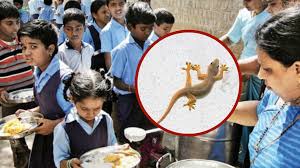
Lizards are a common sight in many households, especially in kitchens and dining areas. Their presence often raises a troubling question among families. If a lizard touches, licks or partially eats food, does that food become poisonous? Medical experts say the answer is more complicated than a simple yes or no.
According to health specialists, food touched by a lizard does not instantly turn into poison. However, consuming such food can still pose significant health risks. The real danger comes from harmful bacteria that lizards may carry on their bodies and in their saliva.
Many people leave fruits, snacks or cooked food uncovered on kitchen counters or dining tables. If a lizard comes into contact with these items, contamination can occur without any obvious signs. In some cases, bite marks or contact points may not even be visible, making it difficult to identify affected food.
Experts explain that lizards, like many reptiles, can carry bacteria such as Salmonella. When a lizard licks or bites food, these microorganisms can be transferred onto the surface. If the contaminated food is later consumed, it may lead to foodborne illness and digestive infections.


The symptoms of such infections can vary from mild to severe. Common complaints include nausea, vomiting, stomach cramps and abdominal pain. Some individuals may also experience diarrhea, fever and weakness. In more serious cases, dehydration can develop, particularly if vomiting and diarrhea continue for an extended period.
Children, older adults and people with weakened immune systems are considered especially vulnerable. For these groups, bacterial infections from contaminated food can become more severe and may require medical treatment or hospitalization.
Health professionals stress that prevention is the best approach. Keeping food covered at all times significantly reduces the chances of contamination. Simple habits such as using lids, food covers or sealed containers can help protect meals from insects, dust and reptiles.
Fruits also require careful handling. Even if fruit appears fresh, it should be washed thoroughly before consumption. Experts recommend peeling fruits whenever possible. If there is any suspicion that a lizard may have bitten or damaged the fruit, discarding it is often the safest choice.
Soft fruits deserve particular attention because bacteria can penetrate beyond the surface. Washing alone may not completely remove contamination if microorganisms have already entered the flesh of the fruit.
Food safety specialists advise people never to consume food that is known to have been touched, licked or bitten by a lizard. While the food itself may not become chemically toxic, the bacterial contamination can create health risks that are equally concerning.
The widespread belief that lizard touched food immediately becomes poisonous is largely a misconception. The greater concern is microbial contamination and the infections it can cause. Understanding this distinction can help people make informed decisions about food safety at home.
With foodborne illnesses remaining a common health issue worldwide, maintaining clean kitchen practices is more important than ever. Covering food, washing produce properly and avoiding potentially contaminated items are simple but effective steps that can help keep families safe and healthy.