
Do Not Ignore This Common Medicinal Plant Growing Around You
Indian Acalypha known as Kuppintaaku is widely used in traditional medicine for skin issues pain relief digestion respiratory troubles and more. Experts advise careful use under proper guidance.
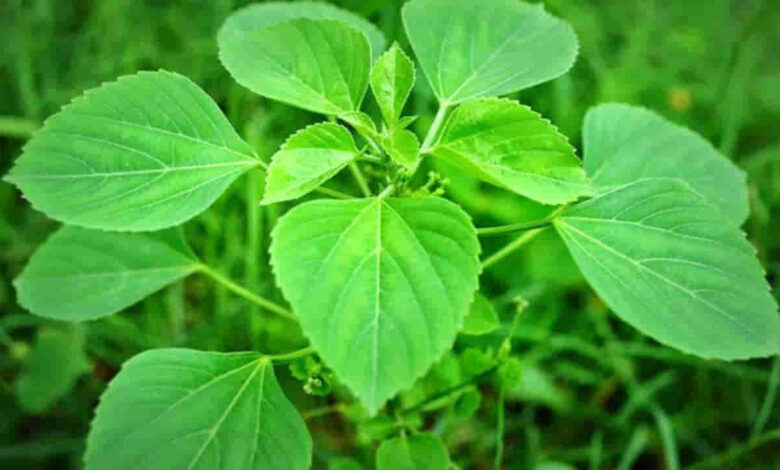
A small green plant that grows quietly around homes and roadside spaces is now drawing fresh attention for its remarkable medicinal value. Commonly known as Kuppintaaku and scientifically called Acalypha indica, this herb has been part of traditional healing systems in India for generations. Belonging to the Euphorbiaceae family, it is also referred to as Indian Acalypha or Indian Nettle in English. From rural households to classical Siddha medicine practices, the plant has long been valued as a natural remedy.
Health practitioners point out that the leaves of this plant contain antibacterial and anti inflammatory properties, making it useful for several everyday health concerns. However, experts caution that it should be used in moderation and preferably with proper guidance, as excessive intake may cause side effects such as vomiting.
One of its most talked about benefits is relief from muscle and joint pain. Fresh leaf juice mixed with sesame oil and gently heated can be stored and applied warm over painful areas. Many traditional healers recommend this remedy for easing stiffness and body aches. The same leaf extract when applied on the forehead is believed to reduce headaches caused by stress or fatigue.
The plant is also known for supporting digestive and respiratory health. Soaking fresh leaves overnight in water and consuming a small filtered quantity in the morning is said to help with bowel movement and reduce phlegm. In some households, a decoction prepared by boiling the leaves in water is consumed in small amounts to manage cold and cough symptoms.


For skin care, Kuppintaaku has been used for decades as a home remedy. A paste made from crushed leaves mixed with turmeric is traditionally applied to the face to reduce acne, dark spots and unwanted facial hair. The antibacterial nature of the leaves is believed to help soothe itching, rashes and minor skin infections. When combined with lemon juice, the paste is often used to address pigmentation on elbows, underarms and around the eyes.
The herb also finds use in dental care. In rural practices, its root has been used as a natural toothbrush to strengthen gums and prevent bleeding. Leaf juice mixed with a pinch of salt is sometimes applied to help manage tooth related discomfort.
In cases of minor wounds, insect bites or skin irritation, freshly crushed leaves are placed directly on the affected area for relief. Traditional knowledge even suggests its application on certain bites to help neutralize toxins, though such cases require immediate medical attention.
Hair and scalp care is another area where this plant is used. Mixing its juice with neem leaf extract and applying it to the scalp before washing is believed to help reduce dandruff.
While modern medicine continues to evaluate herbal remedies, the enduring popularity of Acalypha indica in traditional systems highlights its potential. Doctors emphasize that natural does not always mean risk free, and proper consultation is important before using any herbal treatment regularly.
For many households, this humble plant growing unnoticed nearby may hold surprising health benefits. The key lies in informed and careful use rather than blind trust in home remedies.