
Doctors Warn About Everyday Foods That Are Silently Damaging Your Heart
Rising heart disease cases among young adults are linked to unhealthy diets fried foods excess sugar processed items and sedentary lifestyle habits doctors stress urgent dietary and lifestyle changes
Heart disease is no longer limited to the elderly. Cardiologists say an alarming number of young adults are now walking into clinics with serious cardiac concerns. According to experts, the biggest trigger is not genetics alone but what people are putting on their plates every single day.
Doctors explain that unhealthy eating habits directly affect how the heart functions. When diets are loaded with unhealthy fats, salt and sugar, harmful deposits begin to build up inside the arteries. Over time, this restricts blood flow, raises cholesterol levels and increases blood pressure. If ignored, the damage can eventually lead to a heart attack.
Physicians at leading government facilities such as Rajiv Gandhi Hospital say many patients overlook early warning signs. Persistent fatigue even without exertion, breathlessness after walking short distances, unexplained weight gain and a feeling of heaviness in the chest are signals that should never be ignored. These symptoms often indicate that lifestyle changes are urgently needed.
So which foods are considered the most dangerous for heart health


Cardiology specialists point to deep fried items as a major culprit. Regular consumption significantly increases bad cholesterol levels. Processed and packaged foods are another concern because they typically contain excessive salt and unhealthy fats that push blood pressure higher.
Sugary snacks and sweetened beverages also contribute to rapid weight gain and raise the risk of diabetes, both of which strain the heart. Frequent intake of red meat has been linked to narrowing of blood vessels. Meanwhile, junk food such as pizza and burgers, though convenient and tasty, can gradually weaken heart health when eaten often.
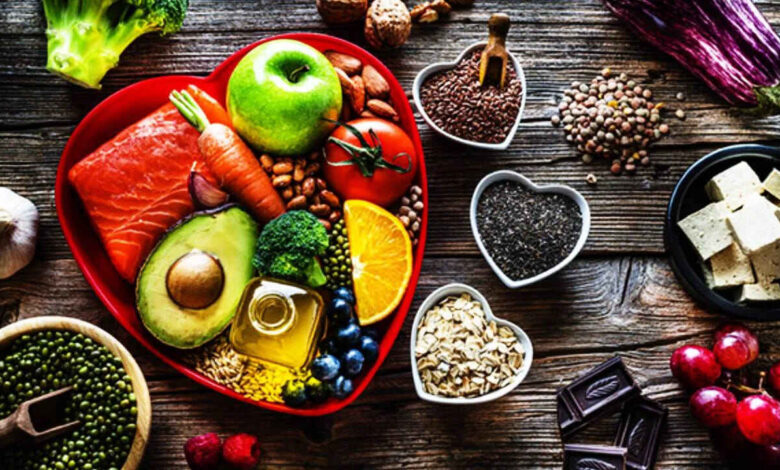
However, doctors stress that the solution is not complicated. A balanced and nutrient rich diet can dramatically lower risk. Leafy green vegetables and fresh fruits provide essential vitamins and antioxidants. Whole grains support better cholesterol control. Foods rich in omega 3 fatty acids help strengthen the heart, while beans, nuts and seeds supply plant based nutrients that promote overall cardiovascular health.
Lifestyle habits matter just as much as diet. Experts recommend daily light exercise or brisk walking to keep the heart active. Managing stress, getting adequate sleep and avoiding alcohol can further reduce long term risk.
Health professionals emphasize a simple truth. Taste should never come at the cost of life. Small daily choices in food and routine can determine whether the heart remains strong or slowly weakens over time.