
Half Litre Oil Rule for Healthy Living Why Nutrition Experts Warn Against Excess Cooking Oil in Daily Indian Meals
Experts highlight how hidden excess oil in home cooking may increase risk of heart disease obesity and lifestyle disorders while recommending strict monthly limits for healthier family habits
Home cooked food has always been considered the safest and healthiest option in Indian households. Many people believe that as long as food is prepared at home, it automatically supports good health. However, nutrition experts are now raising concerns that the real issue is not where the food is cooked but how much oil is used in everyday meals.
Even traditional meals like dal, vegetables, and chapati can turn unhealthy if too much oil is added without measurement. Health professionals point out that excessive oil consumption is silently contributing to rising cases of obesity, diabetes, high blood pressure, and heart related conditions across families. This is happening despite people avoiding restaurant food and relying on home cooked dishes.
According to diet experts, an individual should ideally consume only about three to four teaspoons of fat or oil per day. This total includes cooking oil, ghee, and butter combined. A balanced distribution would mean roughly one spoon for breakfast, one for lunch, one for dinner, and a small portion of healthy fat like ghee within the limit.
When this is calculated for a family, the numbers become even more important. For a household of four members, the recommended oil usage should stay between 60 to 80 ml per day. Over a month, this translates to around 2 to 2.5 liters of oil for the entire family. Nutritionists often refer to this as a half litre rule approach, where each person should ideally not exceed about 500 to 600 ml of oil per month.


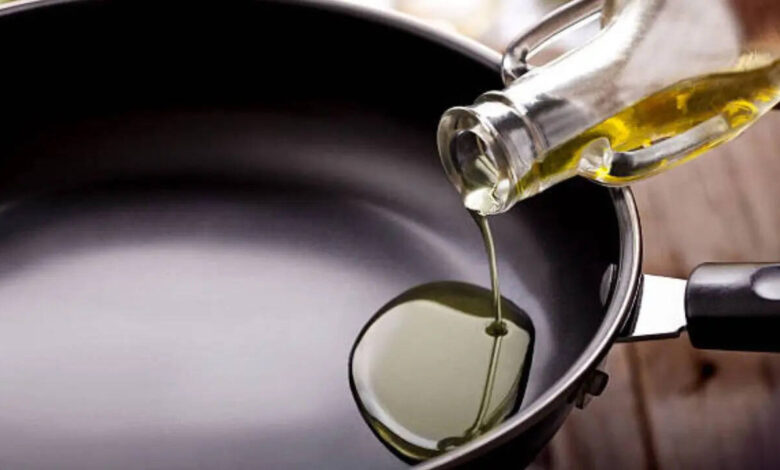
However, in reality, many families do not track their oil usage. Oil is often poured directly into pans while cooking, making it difficult to understand how much is actually being consumed. This unconscious overuse slowly builds up and affects long term health without immediate warning signs.
To reduce oil intake, experts suggest simple lifestyle changes in cooking habits. Measuring oil using a spoon instead of pouring directly from bottles can make a significant difference. Switching to non stick cookware and choosing steaming or boiling methods instead of deep frying can also help reduce unnecessary fat consumption.
At the same time, completely avoiding fat is not recommended. The human body needs healthy fats to absorb important vitamins such as A, D, E, and K. The key is not elimination but moderation and awareness in daily cooking practices.
Health specialists emphasize that controlling oil usage is one of the simplest yet most effective steps toward preventing lifestyle diseases. Following the half litre rule can help families move toward healthier eating habits and reduce the risk of long term health complications without changing traditional home food preferences.