

The Hidden Risks of Using the Wrong Toothbrush Dentists Warn
Dentists reveal the hidden risks of using worn or hard-bristled toothbrushes and explain how proper bristle type, brush shape, and replacement schedule can protect teeth and gums effectively
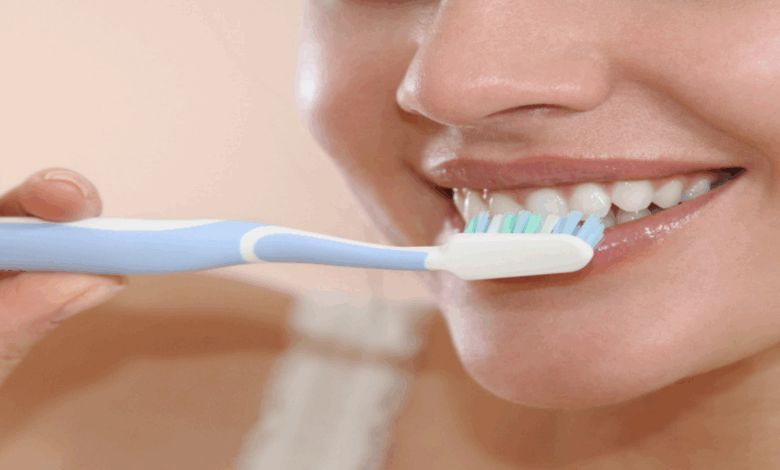
Brushing your teeth is the first thing most of us do every morning, but the toothbrush you rely on may not be doing the job properly. Many people continue to use the same brush until the bristles are frayed and flattened, unaware that this common habit can actually harm their gums and enamel.
Experts emphasize that choosing the right toothbrush is more than a routine decision. A common mistake is selecting a brush with hard, straight bristles. While these might feel sturdy, they often fail to reach the small gaps between teeth and can wear down enamel over time. They may also cause gum bleeding and increase sensitivity.
Dentists recommend soft bristles arranged in a zigzag or circular pattern, as these are more effective at cleaning between teeth without damaging the delicate enamel. Soft, flexible bristles can better sweep away food particles and plaque from tight spaces, reducing the risk of cavities and gum disease.
The shape of the brush head also plays a crucial role in oral hygiene. V-shaped heads are better than U-shaped ones for reaching the corners of the mouth and cleaning molars at the back. Likewise, a slightly curved handle makes it easier to maneuver the brush to all areas of the mouth, while a longer handle provides a secure grip for consistent brushing.


Even with the right brush, timing matters. Many people continue using a brush until it looks completely worn, but studies suggest replacing a toothbrush every four months is essential. Frayed bristles reduce cleaning efficiency and can harbor bacteria, defeating the purpose of brushing.
By selecting a soft, well-shaped toothbrush and replacing it regularly, individuals can maintain healthy teeth and gums, prevent enamel damage, and reduce the likelihood of dental issues. Small adjustments in daily brushing habits can have a long-term impact on oral health.