Cardiologists Explain Safe Amounts Of Ghee And Oil In Indian Diets
Cardiologists emphasize moderation in ghee and oil intake highlighting healthy alternatives and portion control to protect heart health amid rising heart attack deaths in middle aged adults
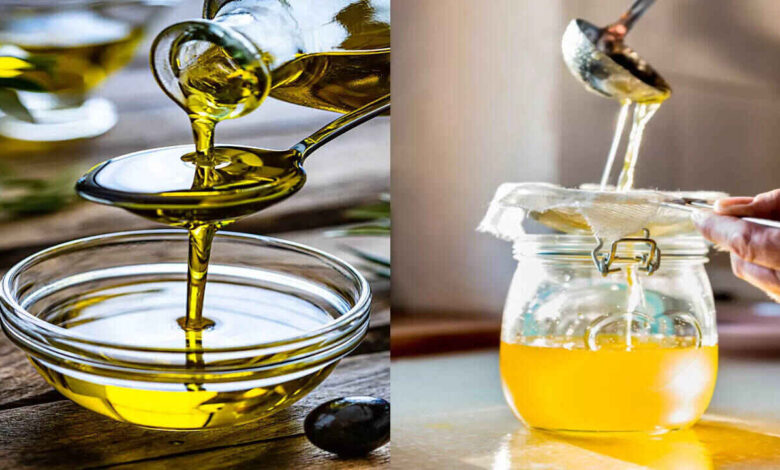
Ghee and oil are considered essential elements of Indian cuisine, used in almost every household for cooking vegetables, dals and rotis. Traditionally, these ingredients are added to meals multiple times a day, and their use is often associated with flavor and nourishment. However, modern research and expert advice stress that excessive consumption can negatively affect heart health.
Dr. Praveen Chandra, an interventional cardiologist at Medanta Hospital in Gurugram, recently spoke about how much ghee and oil Indians should ideally consume and which types are beneficial. He noted that while ghee and vegetable oils can be part of a healthy diet, the quality and quantity matter significantly. Homemade or natural ghee and cold pressed vegetable oils are preferable, provided they are not hydrogenated, as processed or hydrogenated oils can increase the risk of heart disease.
In the past, fried foods were mostly reserved for special occasions such as birthdays or weddings, with everyday meals being simpler and lighter. Today, regular consumption of fried or oily foods has become more common, contributing to a rise in cardiovascular problems. Dr. Chandra highlighted that a daily intake of one to two teaspoons of ghee, paired with one teaspoon of healthy oil, is sufficient for most adults. Oils derived from animals or those high in saturated fat should be limited as they raise bad cholesterol and strain the heart.
The concern is not just dietary but also statistical. Heart attack deaths in India are increasing at an alarming rate, with data from the National Crime Records Bureau showing that in 2022, 70 percent of such deaths occurred in people aged between 30 and 60. That year alone recorded over thirty two thousand fatalities related to heart attacks, underscoring the need for mindful eating and preventive care.


Experts advise paying attention not only to the type of fat consumed but also to lifestyle patterns. Choosing the right kind of oil, limiting deep fried foods, and moderating ghee usage can have a significant impact on long term cardiovascular health. While ghee and oil remain staples in Indian kitchens, adopting portion control and healthier alternatives is increasingly critical for protecting the heart and maintaining overall wellness.
Dr. Chandra emphasizes that balancing tradition with health awareness is key. Incorporating moderate amounts of good quality ghee or vegetable oil, while reducing saturated and hydrogenated fats, can allow individuals to enjoy traditional flavors without compromising heart health. Regular checkups and mindful eating practices are essential for preventing diet related heart risks.