

Frequent Sneezing and What It Really Signals About Your Health
Experts reveal that recurring sneezes can result from allergies, environmental triggers, or infections, and offer guidance on strengthening immunity and identifying symptoms that require medical attention.
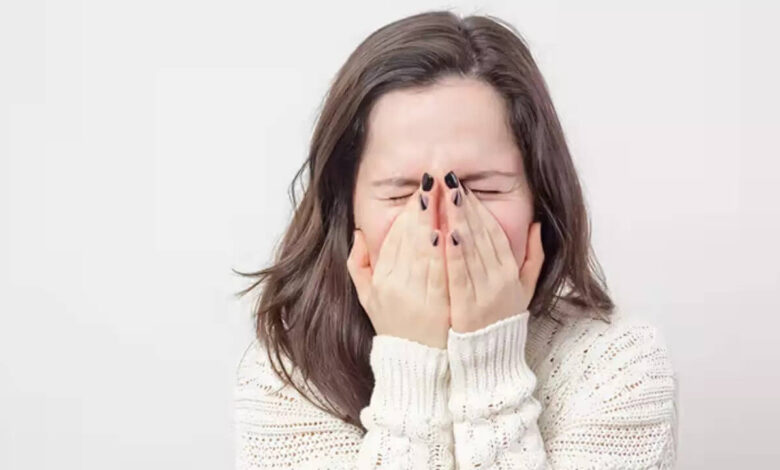
Sneezing once or twice a day is normal, but some people experience repeated sneezes, especially upon waking, exposure to dust, strong odors, or sudden temperature changes. This can cause concern about whether their immune system is weak.
According to doctors, sneezing is primarily a natural defense mechanism. It helps the body expel irritants such as dust, pollen, viruses, or bacteria that enter the nasal passages. Experiencing frequent sneezes does not automatically indicate a weak immune system.
The most common reasons for recurring sneezing include allergic reactions, also known as allergic rhinitis. Dust, pollen, pet hair, and cold air often trigger these episodes. Sudden changes in temperature can also make nasal nerves respond with sneezing.
Other causes include sinus infections, nasal inflammation, and viral infections such as colds and flu. Environmental pollutants, strong perfumes, smoke, and chemical fumes are additional factors that can provoke frequent sneezing.


Frequent sneezing alone does not confirm low immunity. However, medical experts note that if sneezing is accompanied by repeated colds, sore throat, fatigue, or slow healing, it may reflect a weakened immune system. In such cases, the body struggles to fight infections and allergens effectively.
You should be cautious if sneezing persists for more than two to three weeks or is accompanied by symptoms such as thick yellow or green nasal discharge, fever, headaches, difficulty breathing, or worsening nighttime cough. Consulting a doctor is recommended in these situations.
To support immunity, specialists recommend a balanced diet rich in fruits and vegetables, foods containing vitamin C like citrus fruits and gooseberries, and protein from nuts and seeds. Adequate hydration, at least seven to eight hours of sleep, regular exercise, yoga, and breathing exercises also enhance immune function.
Using masks in dusty environments and maintaining proper hygiene can reduce sneezing triggers. Simple lifestyle adjustments combined with environmental precautions often manage frequent sneezing without the need for medication.
In summary, frequent sneezing is usually caused by allergies or environmental factors and is a sign that your body is functioning properly. Only when other health issues accompany it should medical advice be sought.