Early Signs Of Oral Cancer You Should Never Ignore
Red or white patches on the tongue lips or cheeks may signal oral cancer; timely medical consultation is crucial for prevention and effective treatment of this growing health concern
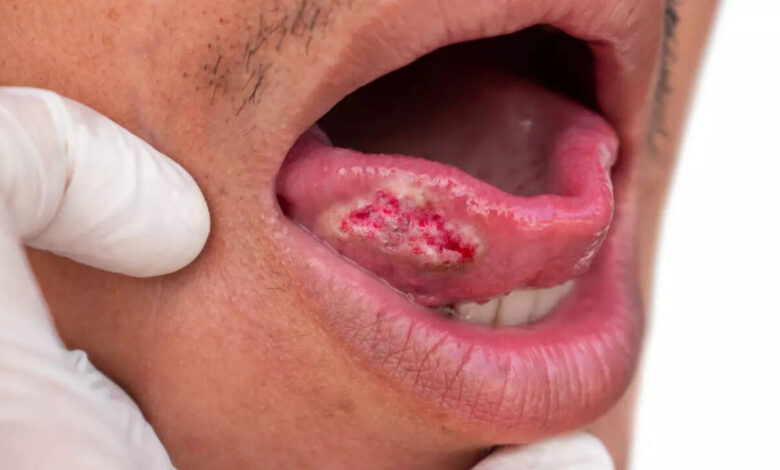
Oral cancer is emerging as a serious health concern, affecting people across all age groups. This type of cancer usually develops on the lips, tongue, inner cheeks, gums, or the back of the throat. Experts warn that early detection is key, as recognizing the initial signs can make a significant difference in treatment outcomes.
One of the earliest indicators of oral cancer is the appearance of small lumps or bumps on the lips, inside the cheeks, or on the tongue. These can gradually spread, sometimes reaching the inner cheeks or jaw. Additionally, white or red patches on the tongue, gums, or inside the mouth are common warning signs. If these spots persist for more than two weeks, it is strongly advised to consult a doctor immediately for proper examination.
The primary risk factors for oral cancer include tobacco use, chewing gutkha, smoking, and excessive alcohol consumption. Studies show that over 60 percent of oral cancer cases in India are linked to tobacco and alcohol use. Alcohol, in particular, produces a toxin called acetaldehyde that damages DNA in oral cells, increasing the likelihood of cancer. Combining tobacco and alcohol further amplifies the risk, making avoidance of these substances essential for prevention.
Health professionals emphasize awareness and early action. Ignoring persistent sores, patches, or unusual growths in the mouth can delay diagnosis and reduce the effectiveness of treatment. Regular dental check-ups and prompt medical attention for suspicious symptoms can help identify oral cancer at an early stage, improving chances of recovery.

With oral cancer cases rising globally, understanding the warning signs and taking preventive measures has never been more important. Avoiding tobacco and alcohol, maintaining oral hygiene, and seeking timely medical guidance can significantly reduce the risk of developing this life-threatening disease.