

Why Heart Attacks Are Striking Even Healthy People Without Warning
Rising cases show even fit individuals face heart attacks as stress sleep loss ignored symptoms and reliance on basic tests hide silent risks doctors urge early checks lifestyle balance awareness
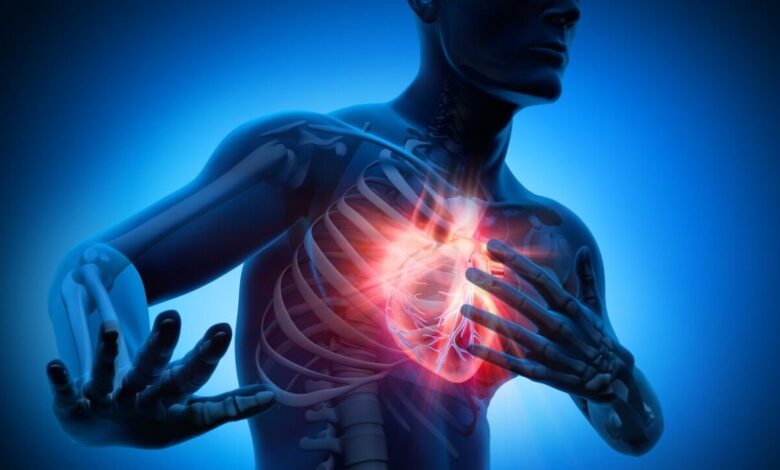
A growing number of sudden heart attack cases among young and seemingly healthy individuals has sparked serious concern within the medical community. What was once considered a condition of older age is now appearing without warning in people who show no obvious risk factors.
The recent death of a well known neurosurgeon from Nagpur brought this issue into sharp focus. Despite having no history of diabetes or high blood pressure and maintaining an active professional life, he suffered a fatal cardiac event caused by ventricular fibrillation. His passing has raised uncomfortable questions about how heart risks can remain hidden.
Doctors point out that being physically fit or medically clear on paper does not always guarantee heart safety. In many cases, early warning signs are subtle and easy to dismiss. Chest discomfort, unexplained fatigue, shortness of breath, or back pain are often brushed off as gas stress or work exhaustion.
One critical concern is over reliance on basic diagnostic tests. A normal ECG result, specialists warn, does not rule out an impending heart problem. Certain dangerous changes in heart function may not appear clearly in routine tests, especially during the early stages.

Experts say blood tests such as troponin can sometimes detect minor heart muscle damage that ECGs miss. When symptoms persist, depending on a single test can be risky. Timely follow up investigations often make the difference between prevention and tragedy.
Lifestyle pressure is emerging as a major silent trigger. Long working hours, chronic stress, irregular meals, and lack of sleep can overload the heart even in people without known disease. Continuous strain may cause sudden artery spasms or blockages, leading to unexpected cardiac arrest.
In the Nagpur case, colleagues revealed that the doctor had worked late into the night handling emergency surgeries just days before his death. Persistent physical and mental fatigue likely played a role, doctors say, in pushing the heart beyond its limits.
Medical experts also highlight rare conditions such as spontaneous coronary artery dissection, which can give warning signs days or weeks before a major event. Unfortunately, these signals are frequently ignored until it is too late.
The larger message is clear. Career success and financial stability lose meaning if health warnings are neglected. Listening to the body, prioritizing rest, managing stress, and seeking medical attention for even mild symptoms is no longer optional.
Heart specialists emphasize that prevention today is not just about exercise and diet, but about awareness. Recognizing that heart attacks do not always announce themselves loudly could help save many lives.