

Do Not Ignore Fig Leaves Experts Say This Simple Addition Can Strengthen Bones Naturally
Health experts highlight that fig leaves, rich in calcium antioxidants and essential vitamins, may support bone strength digestion and overall immunity when added to the daily diet.
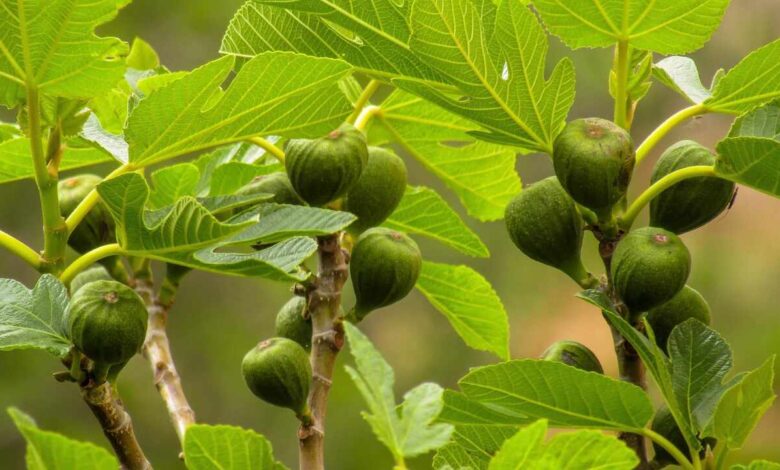
As more people turn toward natural foods to improve their health, fruits and dry fruits have found a regular place in daily diets. Among them, figs are often praised for their rich nutrient profile. But while the fruit gets most of the attention, experts now say the leaves of the fig plant may be equally valuable.
Nutrition specialists point out that fig leaves contain a wide range of vitamins and minerals. They are rich in calcium, magnesium, manganese and copper, along with folic acid and vitamins A, B, C and K. This combination of nutrients makes them more than just an agricultural byproduct. In fact, some health professionals describe them as an underrated addition to a balanced diet.
One of the key benefits linked to fig leaves is bone health. Calcium plays a central role in maintaining strong bones and teeth, and fig leaves naturally contain this essential mineral. Regular consumption in the form of herbal tea is believed to help support bone density, especially for women who are more prone to bone related issues as they age. Experts suggest that adding fig leaf tea to a routine diet may contribute to stronger skeletal health over time.
The leaves are also known for their antioxidant content. These antioxidants help fight oxidative stress in the body, which is linked to aging and various chronic illnesses. Some researchers believe the compounds present in fig leaves may offer protective benefits against certain diseases, including those related to inflammation and abnormal cell growth.


Digestive health is another area where fig leaves may offer support. Traditional remedies have long used fig based preparations to ease constipation and promote smoother digestion. The natural compounds in the leaves are believed to assist gut function and maintain digestive balance.
Preparing fig leaf tea is relatively simple. Clean leaves are boiled in water and consumed once cooled. Health experts advise moderation and recommend consulting a medical professional before making it a regular habit, especially for individuals with existing medical conditions.
Figs themselves are already valued for their fiber, polyphenols and antioxidant properties. However, growing awareness around fig leaves is expanding the conversation about plant based nutrition. Rather than overlooking this part of the plant, experts say incorporating it thoughtfully into the diet could offer additional health advantages.
In a time when people are increasingly seeking natural ways to stay healthy, fig leaves are emerging as a quiet yet powerful option. What was once ignored may soon become a regular feature in wellness routines focused on stronger bones, better digestion and improved immunity.