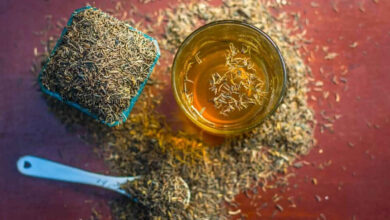

Ancient Ayurvedic Herb Tippa Teega and Its Powerful Health Benefits
Tippa Teega also known as Giloy is valued in Ayurveda for immunity diabetes respiratory relief and viral fevers here is how to prepare and consume its decoction properly.
In many Indian households, Tippa Teega has long been regarded as a natural shield against seasonal illnesses. Known in Ayurveda as Amruthavalli or Giloy, this climbing herb is often described as a life enhancing plant because of its wide range of therapeutic uses.
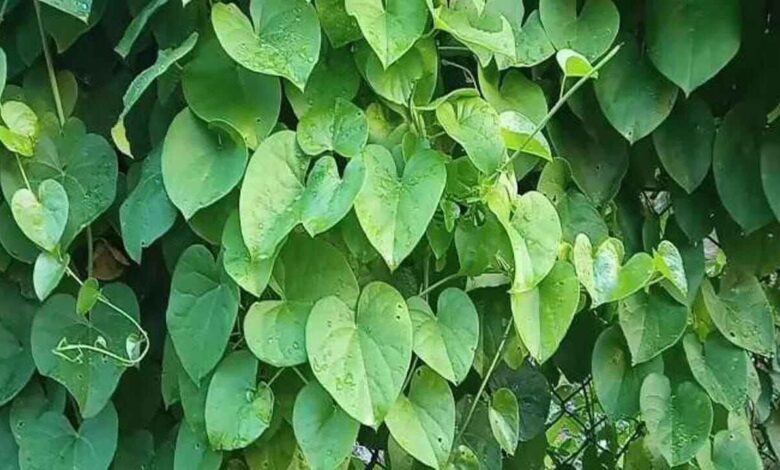
The plant is commonly seen growing over trees, compound walls and fences. It spreads easily and can be identified by its heart shaped leaves that are green on the upper surface and lighter underneath. One of its distinct features is that the stem does not release milky sap when cut. Both the leaves and the stem are used for medicinal purposes.
Ayurvedic practitioners consider Tippa Teega especially helpful in boosting the immune system. It is often recommended during viral fevers and infections that spread from person to person. The herb is believed to stimulate the body natural defense response, helping it recover faster from seasonal illnesses.
People suffering from chronic cough, asthma and other respiratory concerns also turn to this herb for relief. It is said to reduce allergy symptoms and soothe throat related issues including tonsil discomfort. Some traditional practitioners even attribute antibiotic like qualities to the plant and suggest that it supports healthy cell growth.


For individuals managing diabetes, Tippa Teega is considered beneficial in regulating blood sugar levels. It may help support insulin function and maintain balanced glucose levels when consumed responsibly. Regular but moderate intake of the decoction is also believed to assist in lowering bad cholesterol and supporting weight management.
The plant produces green fruits when raw, which turn reddish as they ripen, resembling small grape clusters. In powdered form, it is sometimes mixed with milk and consumed for joint related discomfort.
Beyond internal health, Tippa Teega is also linked to skin benefits. Traditional use suggests it may help reduce acne, dark spots and early signs of aging by supporting overall detoxification and immune balance.
Preparing the decoction requires care and cleanliness. Fresh and healthy leaves should be selected, typically two leaves per person. Wash them thoroughly to remove any dust or insect residue. For every leaf, add one black peppercorn. Crush the leaves and pepper together into a coarse paste to help release their medicinal properties.
Boil one and a half glasses of water in a clean vessel and add the crushed mixture. Allow it to boil on high flame for about five minutes. Once the water begins to rise, reduce the flame and let it simmer briefly. After a total of five minutes of boiling, remove it from heat and strain the liquid while it is still warm.
The decoction should be consumed on an empty stomach. It is advised not to eat or drink anything at least one hour before or after taking it. During severe fever, it may be taken twice daily, once in the morning and once in the evening, under proper guidance.
While Tippa Teega holds an important place in traditional medicine, experts recommend consulting a qualified practitioner before starting regular use, especially for those with existing medical conditions.