

Unwanted Facial Hair in Women Often Signals Hormonal Imbalance Experts Urge Root Cause Treatment
Temporary salon methods like threading and waxing may hide facial hair briefly but doctors say persistent growth in women can point to deeper hormonal issues that need proper diagnosis.
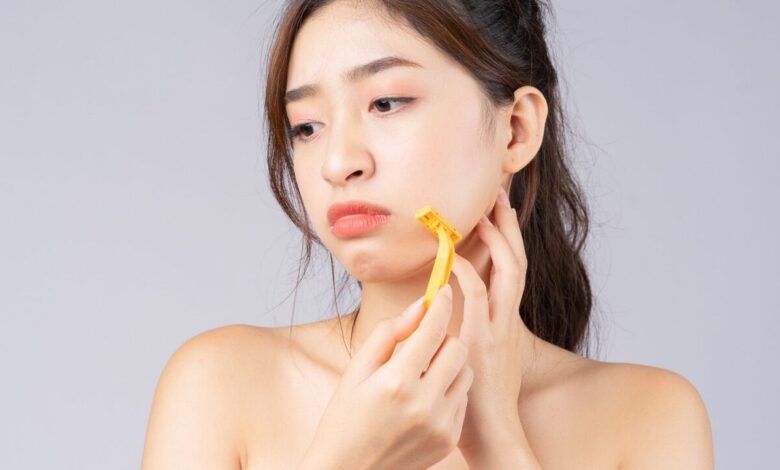
For many women, unwanted facial hair on the chin or upper lip begins as a cosmetic concern. Regular threading or waxing appointments become part of the routine. But health experts warn that repeated hair growth in these areas is often more than a beauty issue. In several cases, it reflects an underlying hormonal imbalance that deserves medical attention.
In clinical terms, excessive hair growth in women in male pattern areas is known as hirsutism. The condition usually develops when androgen levels rise beyond normal limits. Androgens are typically considered male hormones, but women also produce them in smaller amounts. When this balance shifts, visible changes such as coarse facial hair can occur.
One of the most common triggers is Polycystic Ovary Syndrome. This condition affects menstrual cycles and disrupts hormone levels, often leading to increased androgen production. Women with PCOS frequently report irregular periods along with stubborn facial hair growth. Doctors say identifying and managing the syndrome early can significantly reduce symptoms.
Age related hormonal shifts can also play a role. During menopause, estrogen levels naturally decline. As this protective hormone decreases, the relative effect of androgens becomes more noticeable. Many women observe new hair growth along the jawline or chin after menopause, even if they never faced the issue earlier in life.


Genetics should not be overlooked either. If close female relatives such as a mother or sister have experienced similar patterns of hair growth, hereditary factors may be involved. In such cases, the condition may not always indicate a serious disorder but still benefits from medical evaluation.
Weight gain and pregnancy can further disturb hormonal balance. Excess body fat influences insulin levels, which in turn may stimulate higher androgen production. This chain reaction can contribute to unwanted hair growth. Maintaining a healthy weight is often recommended as part of long term management.
In rarer instances, adrenal gland disorders may be responsible. Tumors or hormonal abnormalities in the adrenal glands can increase androgen secretion. Though uncommon, these cases require immediate medical investigation to prevent broader reproductive or metabolic complications.
Health specialists emphasize that salon treatments offer only temporary relief. Threading, waxing or bleaching removes visible hair but does not address the biological cause. A proper diagnosis usually involves blood tests to evaluate hormone levels and, if necessary, imaging studies.
The reassuring news is that treatment options exist. Depending on the cause, doctors may recommend lifestyle changes, weight management, hormonal therapy or targeted medications. Early consultation can prevent the condition from worsening and help restore hormonal balance.
Experts advise women not to ignore persistent facial hair growth or dismiss it as a minor cosmetic inconvenience. Listening to the body and seeking timely medical advice can make a significant difference, both physically and emotionally.