

Guava May Not Suit Everyone Experts Warn of Health Risks for Some Individuals
Though rich in vitamin C and nutrients, guava can trigger health complications in people with diabetes, kidney stones, allergies and digestive disorders if consumed excessively or without caution
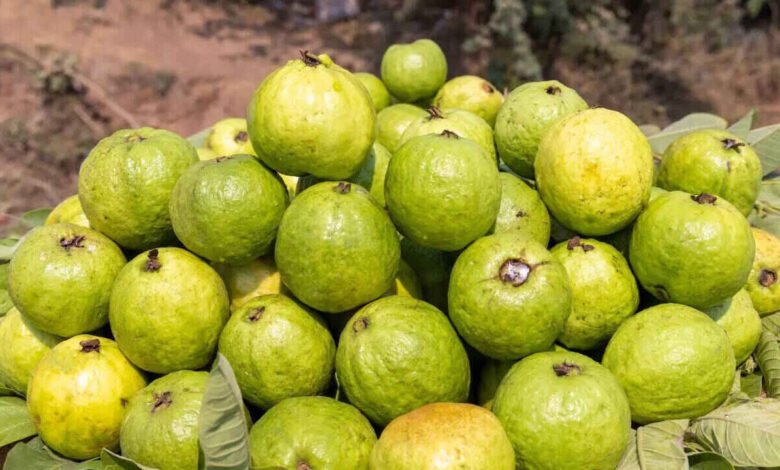
Guava is often praised as a powerhouse of nutrition, packed with vitamin C and fiber. For many households, it is a regular part of the fruit basket. However, health experts caution that this popular fruit may not be suitable for everyone, especially those with certain medical conditions.
Doctors point out that people living with diabetes should be particularly careful. While guava has several benefits, eating it in large quantities daily may affect blood sugar levels. Individuals who are already monitoring glucose levels are advised to consult their physician before adding guava to their regular diet.
Kidney health is another area of concern. Guava contains notable amounts of potassium, and excessive intake may not be ideal for individuals prone to kidney stones. Specialists recommend limiting consumption to moderate portions, perhaps once a week, rather than making it an everyday habit.
Allergic reactions have also been reported in some cases. A few individuals experience skin rashes or itching soon after eating guava. Those who notice such symptoms should avoid further consumption and seek medical advice if reactions persist. Experts also suggest being cautious before adding excessive salt or spices to the fruit, as that combination may irritate sensitive stomachs.


Digestive health plays a key role as well. People who frequently suffer from bloating, acidity or other gastrointestinal issues may find that guava worsens their discomfort, especially when eaten on an empty stomach. Nutritionists recommend avoiding guava early in the morning if one has ongoing digestive complaints.
Medical professionals further advise that individuals who are on regular medication should practice caution. Certain health conditions combined with specific treatments may require dietary restrictions, and fruits high in certain nutrients could interfere with overall management.
While guava remains a nutritious option for many, the message from experts is clear moderation is essential. Understanding personal health conditions and seeking medical guidance can prevent unnecessary hospital visits. A fruit that benefits one person may not always suit another, making informed choices crucial for long term wellbeing.