
Chia Seeds May Pose Serious Health Risks for Some People Experts Issue Warning
Though considered a superfood rich in omega 3 fiber and protein chia seeds can be dangerous for individuals with certain medical conditions if consumed without caution or preparation
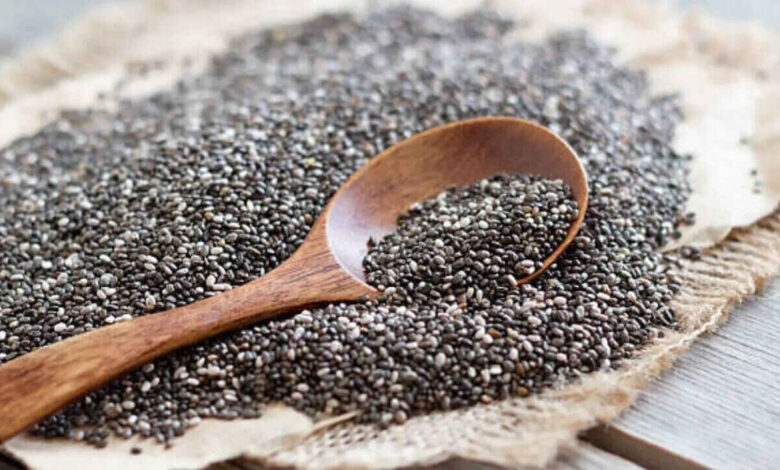
Chia seeds have become a staple in smoothies, detox drinks and healthy breakfast bowls, especially during summer. Marketed as a superfood packed with omega 3 fatty acids, protein, fiber and calcium, they are often associated with heart health and weight management. However, doctors are now cautioning that these tiny seeds are not suitable for everyone.
Health specialists say that while chia seeds offer nutritional benefits, they can turn harmful for people with specific medical conditions. Understanding who should avoid them and how they should be consumed is critical to preventing complications.
One of the biggest concerns involves individuals who take blood thinning medications. People using drugs such as aspirin or warfarin to prevent clotting need to be especially careful. Chia seeds naturally contain omega 3 fatty acids that can further thin the blood. When combined with medication, this may increase the risk of internal bleeding.
Kidney patients are also advised to stay away. Chia seeds contain significant amounts of phosphorus, which can put additional strain on already weakened kidneys. For those dealing with chronic kidney disease, even small dietary imbalances can worsen their condition.


Digestive health is another factor to consider. Because chia seeds are extremely high in fiber, they can aggravate symptoms in people suffering from irritable bowel syndrome, chronic bloating, gas or abdominal discomfort. In sensitive individuals, the excess fiber may intensify stomach pain rather than improve digestion.
Although rare, allergic reactions are possible. Some people may experience itching, swelling, breathing difficulty or digestive distress after consuming chia seeds. Those with known seed allergies should consult a doctor before trying them.
Experts also stress that even healthy individuals must consume chia seeds correctly. Eating them dry is strongly discouraged. When swallowed without soaking, the seeds can absorb liquid and expand in the throat or food pipe, posing a choking hazard. To reduce risk, they should always be soaked in water or milk for at least 20 to 30 minutes until they form a gel like consistency before consumption.
Nutritionists emphasize moderation as the key. Just because a food is labeled healthy does not mean it is universally safe. Listening to one’s body, understanding existing health conditions and seeking medical advice when necessary can prevent serious complications.
Chia seeds may be small, but for certain individuals, careless consumption could carry significant health risks.