

Watermelon Seeds and Summer Nutrition What Health Experts Say About Eating the Fruit the Right Way
Watermelon remains a favorite summer fruit due to hydration and low calories, while its seeds contain high protein. Experts explain how both can benefit health when consumed properly.
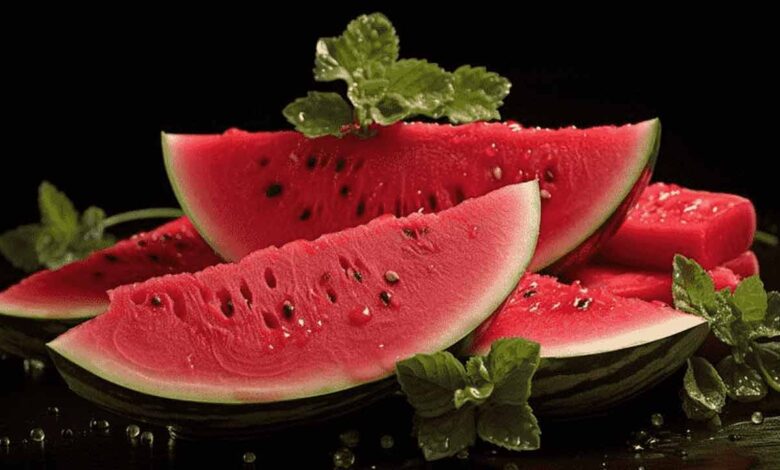
As temperatures rise during summer, watermelon quickly becomes one of the most popular fruits across households. Known for its refreshing taste and cooling effect, the fruit is widely consumed to stay hydrated and manage heat related discomfort. Health experts say watermelon offers more than just relief from heat when eaten in the right way.
One of the key reasons for watermelon’s popularity is its high water content. The fruit contains nearly 96 percent water which helps the body stay hydrated during hot weather. This natural hydration makes it especially useful for people who spend long hours outdoors or struggle to drink enough water during the day.
Watermelon is also known for being extremely low in calories. According to nutrition estimates, 100 grams of the fruit provides only about 16 calories. Because of this low calorie content, people can eat generous portions without significantly increasing their daily calorie intake. In fact, even half a kilogram of watermelon delivers roughly the same calorie level as a small fried snack.
Beyond hydration and low calories, the fruit also contains several nutrients that support overall health. Watermelon provides vitamins A and C along with potassium and a compound called citrulline. These nutrients are believed to support the immune system, help regulate blood pressure and reduce muscle soreness after physical activity. Another compound called lycopene found in the red flesh is associated with benefits for heart health.


Nutritionists often recommend consuming watermelon at specific times of the day for better digestion. Drinking a glass of fresh watermelon juice or eating a bowl of fruit in the late afternoon around five o clock is considered beneficial. It can refresh the body after a long day and help stimulate appetite. Many parents also give watermelon slices to children after they return from school before they head out to play.
Eating watermelon about thirty minutes to an hour before meals may also support digestion. The fruit can make the stomach feel cool and comfortable while gently increasing hunger. Some people who experience acidity or digestive discomfort report relief after including watermelon in their daily routine.
Another advantage of watermelon is that it is suitable for a wide range of age groups. Children, elderly individuals and even people managing diabetes can usually enjoy the fruit in moderate quantities because it does not significantly spike blood sugar levels when eaten responsibly.
While most people focus only on the juicy red flesh, the seeds of watermelon are also drawing attention for their nutritional value. Experts say watermelon seeds contain a surprisingly high amount of protein. Around 100 grams of dried watermelon seed kernels may provide nearly 34 grams of protein, which is higher than several commonly consumed foods.
However, specialists advise against swallowing the seeds directly while eating the fruit because it may cause minor digestive discomfort. Instead, the seeds available in markets are often cleaned and processed before consumption. These can be soaked and eaten separately as a nutritious snack.
Health professionals emphasize that both the fruit and its seeds can be beneficial when consumed correctly. During summer months, including watermelon in a balanced diet may help maintain hydration, support digestion and provide essential nutrients. At the same time, individuals with specific medical conditions are advised to consult healthcare professionals before making major dietary changes.