

Drinking Tea Right After Meals Experts Warn It May Affect Digestion and Nutrient Absorption
Health experts say drinking tea immediately after meals may reduce iron absorption slow digestion and cause acidity advising people to wait at least thirty minutes before having tea.
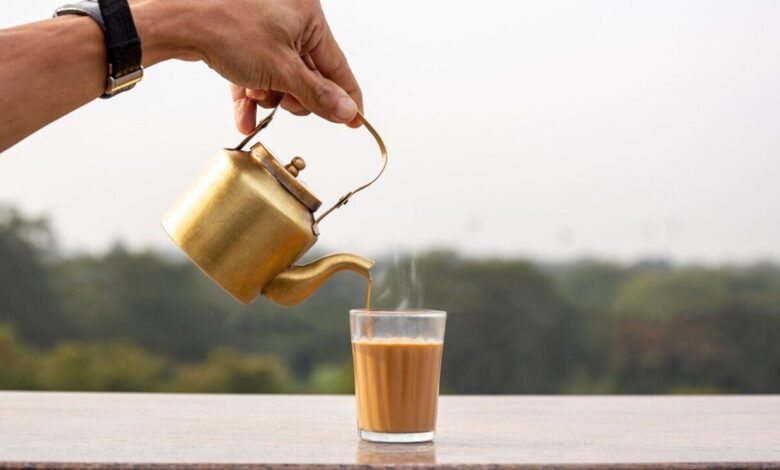
For many people a cup of hot tea right after finishing a meal feels comforting and refreshing. It has become a daily habit in many households where tea is believed to help digestion and provide a quick boost of energy. However health experts say this common routine may not be as harmless as it seems.
Medical specialists warn that drinking tea immediately after eating can interfere with how the body absorbs nutrients from food. Tea contains compounds called tannins which can bind with important minerals found in food. When this happens the body may struggle to absorb nutrients effectively especially iron.
Iron plays a key role in maintaining healthy blood and energy levels. When tannins in tea combine with iron present in food the body cannot absorb the mineral properly. Over time frequent consumption of tea right after meals may contribute to lower iron levels and increase the risk of conditions such as anemia.
Apart from affecting nutrient absorption tea can also influence digestion. Tea naturally contains caffeine which can stimulate acid production in the stomach. When consumed soon after a meal this increase in acid may lead to digestive discomfort for some people. Many individuals report symptoms such as bloating gas indigestion or a burning sensation in the chest commonly known as acidity.


Health experts explain that the digestive system needs some time to process food after a meal. When tea is consumed immediately it may disturb this natural process and slow down proper digestion. This is why specialists often recommend creating a gap between meals and tea consumption.
For people who enjoy tea regularly experts suggest waiting at least twenty to thirty minutes after eating before having a cup. This short gap allows the body to begin digesting food and absorb key nutrients more effectively.
Moderation is another important factor. Nutritionists advise limiting tea intake to two or three cups a day to avoid excessive caffeine consumption. Drinking too much tea may lead to sleep disturbances anxiety and other health issues in some individuals.
Experts also recommend reducing the amount of sugar added to tea or avoiding it altogether to make the beverage healthier. Another option is switching to herbal teas which usually contain fewer compounds that interfere with nutrient absorption.
While tea remains one of the most popular beverages worldwide doctors emphasize that timing matters. Enjoying tea at the right time can help people continue their daily ritual without negatively affecting digestion or overall health.