
Why Phalsa Is Becoming a Popular Summer Fruit for Cooling the Body and Supporting Heart Health
Phalsa fruit is gaining attention during summer for its cooling properties and nutritional value. Experts say it may help support heart health, digestion, hydration and immunity during hot weather.
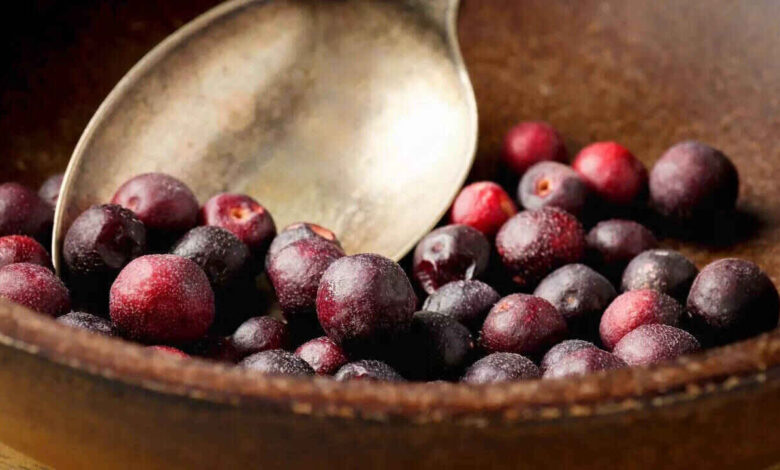
As temperatures climb during the summer months, many people turn to seasonal fruits that help the body stay refreshed and hydrated. One fruit that often appears in local markets during this period is phalsa. Though small in size, this traditional summer fruit is known for its unique sweet and slightly tangy taste and is valued for several health benefits.
Nutrition experts say phalsa can be a helpful addition to the diet during hot weather because of the nutrients it contains. The fruit is naturally rich in vitamin C, vitamin A, calcium, phosphorus and iron. These nutrients support the immune system and help maintain overall energy levels when the body loses fluids through excessive sweating.
One of the main reasons phalsa is recommended in summer is its cooling effect on the body. Consuming the fruit or drinking juice prepared from it may help regulate body temperature and reduce the risk of heat related discomfort. In many regions, phalsa juice or sherbet is a popular seasonal drink that helps people stay refreshed during extremely hot days.
Hydration is another key advantage associated with this fruit. During summer, dehydration becomes a common issue due to constant exposure to heat and loss of body fluids. Phalsa helps replenish energy and reduce thirst, making it a useful natural option for maintaining hydration.


Apart from its refreshing qualities, phalsa is also believed to support digestive health. The fruit contains dietary fiber that can help the digestive system function more smoothly. Regular consumption in moderate amounts may help reduce common digestive complaints such as bloating or indigestion. Some people also find that eating phalsa can help stimulate appetite during periods when heat reduces the desire to eat.
Health specialists also point out that phalsa may benefit heart health. The fruit contains antioxidants that help protect the body from harmful free radicals. These antioxidants may assist in maintaining cleaner blood circulation and reducing unhealthy cholesterol levels, which can contribute to better heart function.
People dealing with blood pressure related concerns may also find phalsa beneficial as part of a balanced diet. Nutrients and antioxidants in the fruit may help support healthier blood pressure levels when combined with proper lifestyle habits.
Phalsa is not only valued for internal health benefits but also for its potential effect on skin health. Antioxidants present in the fruit may help protect the skin from environmental stress and maintain a healthier appearance during summer when heat and dehydration often affect the skin.
Despite its many benefits, health experts recommend consuming phalsa in moderation. Eating excessive quantities may lead to mild digestive discomfort in some individuals. Including the fruit in balanced portions as part of a regular diet is considered the best way to enjoy its benefits.
With its refreshing taste and nutritional profile, phalsa continues to remain one of the simple seasonal fruits that can support the body during hot summer days. Nutritionists often encourage people to include such natural foods in their diet to stay energized and maintain better health throughout the season.