
Simple Diet Changes May Help Reduce Hair Fall and Support Natural Hair Growth
Health experts say hair loss linked to poor nutrition and scalp care may improve with protein rich foods such as sprouts along with better hygiene and balanced daily habits.

Hair fall has become a common concern for many people in recent years. Changing lifestyles, irregular eating habits and stress are often blamed for the increasing number of people noticing excessive hair loss while combing or washing their hair. While the problem can feel alarming, health specialists say certain everyday habits and dietary changes can help manage the issue and support healthier hair growth.
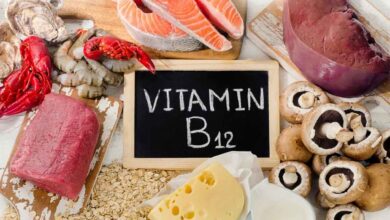
One of the most frequently overlooked causes of hair fall is poor nutrition. Hair is largely made of protein, and when the body does not receive enough protein through food, hair strands can become weak and start breaking or falling out. People who follow strict dieting plans or skip balanced meals often develop protein deficiency, which directly affects hair strength and growth.
Nutritionists suggest that adding sprouted seeds and grains to the daily diet can help improve protein intake naturally. When seeds germinate, their nutritional value increases significantly and the protein content becomes easier for the body to absorb. Because of this, sprouts are considered a powerful food for supporting hair health as well as overall wellness.
Another factor linked with hair fall is scalp health. Experts say dandruff and bacterial infections on the scalp can weaken hair roots over time. When the scalp remains unclean or sweat and dirt accumulate, it may create an environment where hair follicles become fragile. Maintaining proper scalp hygiene by washing the hair regularly and gently massaging the scalp can help keep the roots strong and reduce irritation or itching.

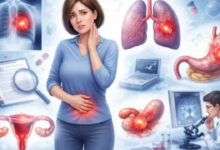
While nutrition and scalp care play an important role, doctors also point out that genetics can influence hair growth patterns. Traits such as hair density, texture and even baldness are often inherited from family members. In cases where complete baldness occurs due to genetic factors, diet alone may not restore hair, and medical treatments such as hair transplantation may be required.
However, for people experiencing early hair thinning or moderate hair fall, improving daily nutrition can make a noticeable difference. Sprouted foods are often highlighted because they not only provide protein but also support hormonal balance and metabolism. Balanced hormones and better nutrient absorption help create healthier conditions for hair follicles to grow stronger strands.
Health experts recommend including a small portion of sprouts in regular meals. To make them more enjoyable, they can be mixed with fruits such as chopped apples, grapes, pomegranate seeds, dates or raisins. This combination improves taste while also providing additional vitamins and antioxidants that benefit the body.
Besides supporting hair growth, sprouts are also known to improve energy levels and strengthen the immune system. They may also contribute to better hormone function in the body, which indirectly supports healthy hair development.
Specialists emphasize that achieving thick and healthy hair is rarely about a single remedy. Instead, it involves consistent habits such as balanced nutrition, proper scalp care and a healthy lifestyle. By including nutrient rich foods like sprouts and maintaining good hygiene, many people can gradually reduce hair fall and encourage natural hair growth over time.