Doctors Warn About Health Risks Linked to Frequent Energy Drink Consumption
Health experts caution that regular consumption of energy drinks may cause weight gain diabetes dental damage and heart risks urging people to focus on exercise balanced diet and proper hydration.
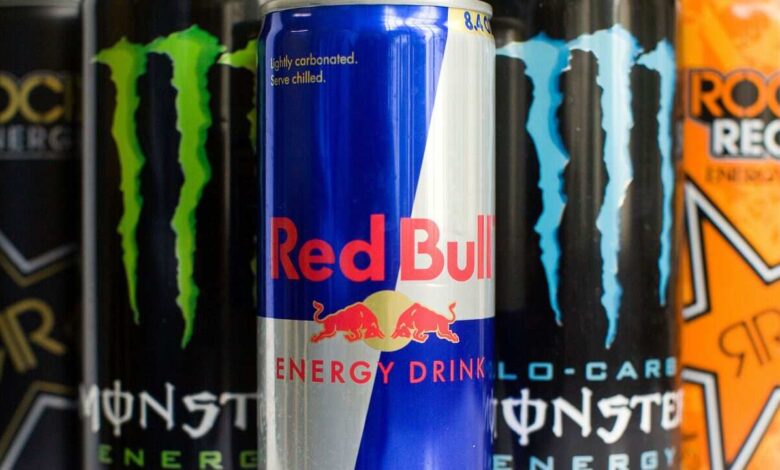
Energy drinks have become increasingly popular, especially among young people and fitness enthusiasts looking for a quick boost of energy. During the summer months, their consumption often rises even further. However, doctors are now urging people to understand what these beverages actually contain and how frequent consumption may affect long term health.
Many people believe that energy drinks can instantly improve stamina or physical performance. Advertisements often reinforce this idea by showing athletes or celebrities promoting these beverages. Health professionals warn that such marketing messages can be misleading. According to doctors, just because a well known personality appears in a commercial does not mean the product is beneficial for health.
Medical experts point out that many celebrities endorse these drinks as part of paid promotional campaigns. Their involvement is not necessarily linked to the nutritional value of the product. Doctors stress that people should not assume they will become healthier or more energetic simply by consuming the same drinks seen in advertisements.
One of the main concerns about energy drinks is their ingredient composition. Most of these beverages contain high amounts of sugar along with caffeine and other stimulants. The sugar can cause a temporary feeling of energy, but this effect usually fades quickly. In reality, this short burst of energy does not translate into lasting physical strength or improved health.


Caffeine is another key component found in many energy drinks. While caffeine can temporarily increase alertness, doctors explain that its effects differ depending on the source and quantity. For example, beverages like coffee and tea contain natural caffeine that may stimulate the brain briefly. In energy drinks, however, the high sugar levels combined with caffeine may create sudden spikes in energy followed by fatigue.
Health experts say that relying on such drinks regularly can lead to several health issues. One of the most common concerns is weight gain, as the high sugar content contributes to excess calorie intake. Over time, this may increase the risk of obesity and metabolic disorders.
Doctors also warn that excessive consumption could raise the likelihood of developing type 2 diabetes. High sugar intake over long periods can disrupt the body’s ability to regulate blood glucose levels, which may eventually lead to insulin resistance.
Dental health is another area that may be affected. Energy drinks often contain acidic ingredients that can gradually damage tooth enamel. When enamel weakens, teeth become more sensitive and vulnerable to decay.
Frequent intake of sugary and acidic drinks may also affect bone health. Some studies suggest that excessive consumption could reduce calcium levels in the body, which may contribute to weaker bones in the long run.
Digestive problems have also been linked to heavy consumption of these beverages. People who drink them regularly may experience stomach discomfort, constipation, diarrhea or reduced appetite.
Doctors further highlight the possible impact on heart health. Large amounts of sugar and stimulants may raise blood pressure and cholesterol levels, which can increase the risk of cardiovascular disease over time.
Health specialists emphasize that there are far better ways to maintain energy and physical fitness. Regular exercise, balanced nutrition and adequate hydration remain the most reliable methods to support the body’s natural energy levels.
Experts advise individuals to stay cautious about marketing claims and to make informed choices about what they drink. Instead of depending on energy drinks for quick stimulation, building healthy daily habits is considered the safest and most effective approach to maintaining long term wellbeing.