

Doctors Warn Dog Licks Can Spread Dangerous Infections Including Rabies
Health experts warn that dog saliva can transmit serious infections through bites or licking wounds urging people to clean injuries immediately seek medical help and consider rabies vaccination when exposed.
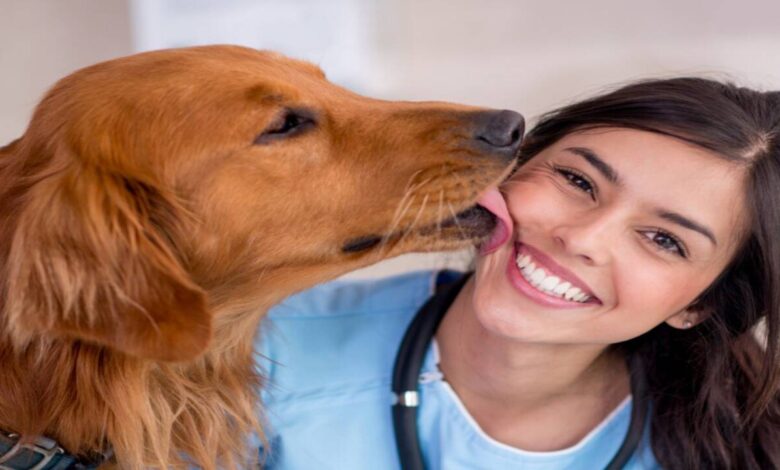
Rising reports of stray dog incidents across several regions have sparked renewed concern about public safety and health awareness. While dog bites are widely recognized as dangerous, medical experts say many people underestimate another risk that can be equally serious. Even a dog licking an open wound or sensitive area can potentially lead to severe infections.
Health specialists explain that dog saliva may carry harmful bacteria and viruses capable of entering the human body through cuts, scratches or exposed skin. When a dog licks an injury, the microorganisms present in its saliva can move directly into the bloodstream or surrounding tissue. This may lead to infections that range from mild skin irritation to life threatening conditions.
One of the most serious diseases associated with dog exposure is rabies. According to global health data, thousands of people die each year in countries including India due to rabies infections. The disease affects the brain and nervous system and is almost always fatal if treatment is not given in time. Medical professionals emphasize that rabies can spread not only through bites but also when infected saliva comes into contact with wounds or mucous membranes such as the eyes, nose or mouth.
Doctors warn that even small scratches or unnoticed skin breaks can become entry points for dangerous pathogens. If an infected dog licks such areas, the virus or bacteria may enter the body without the person realizing the risk immediately. In some cases, this exposure can trigger severe infections that progress rapidly.

A widely reported case in London highlighted the seriousness of such infections. A woman developed a life threatening condition after contact with dog saliva led to a bacterial infection known as sepsis. The infection became so severe that doctors had to amputate her hands and legs in order to save her life. Though such cases are rare, experts say they demonstrate how dangerous untreated infections can become.
Sepsis itself is a critical medical condition caused by the body’s extreme response to infection. It can develop when bacteria spread through the bloodstream and trigger widespread inflammation. Without immediate treatment, sepsis can damage vital organs and lead to organ failure.
Doctors say certain warning signs should never be ignored. Symptoms of sepsis may include extremely high or unusually low body temperature, rapid heartbeat, difficulty breathing, severe fatigue and reduced urination. Some patients may also experience confusion, chills, intense pain, low blood pressure or unusual red or dark patches on the skin.
Because of these risks, medical professionals recommend taking immediate action if a dog bite or lick occurs on an open wound. The affected area should be washed thoroughly with soap and clean water as soon as possible. Seeking medical attention quickly is essential, and doctors may recommend anti rabies vaccination depending on the situation.
Experts also advise people to be cautious around both stray and pet dogs. Even friendly animals can carry bacteria in their saliva. Individuals should avoid allowing dogs to lick their face, eyes, nose or mouth, as these areas provide easy access for infections.
In households with pet dogs, maintaining hygiene is especially important. People should wash their hands thoroughly with soap after touching animals and ensure that pets receive regular vaccinations and health checkups.
Public health specialists emphasize that caring for animals and showing compassion toward them is important, but awareness and precaution are equally necessary. Understanding the risks and responding quickly to potential exposure can help prevent serious illnesses and protect overall health.