Doctors Say Lifestyle and Diet Changes May Help Manage Piles Without Surgery
Health specialists explain that improving digestion relieving constipation and following a controlled fruit and light diet plan for several days may help reduce piles symptoms naturally.
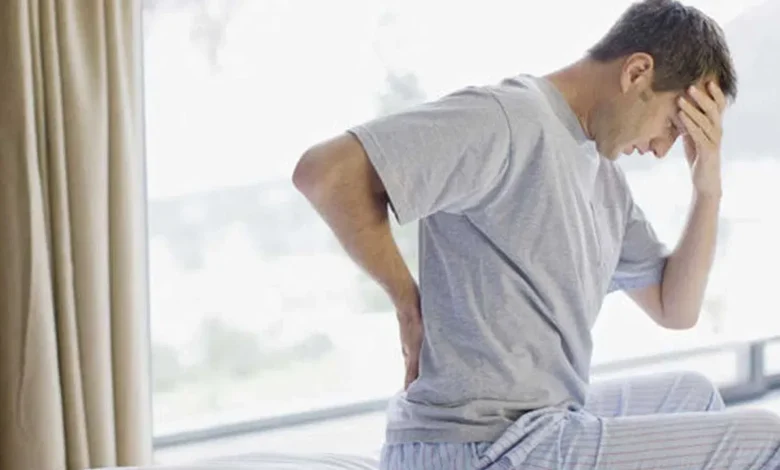
Piles has become an increasingly common health problem in modern lifestyles, often linked to poor digestion, irregular eating habits and lack of physical activity. While surgery is frequently suggested as a treatment option, some medical experts believe that certain lifestyle and dietary adjustments can significantly reduce symptoms and even prevent the condition from returning.
According to health professionals, the main cause behind piles is long term constipation and difficulty during bowel movements. When stool becomes hard and irregular, excessive pressure builds up in the delicate veins around the rectal area. Over time these veins swell and become inflamed, eventually forming piles.
The condition often causes discomfort that includes pain, bleeding and irritation during bowel movements. Doctors say these symptoms worsen when people continue to strain while passing stool or ignore digestive health. In many cases, surgery may offer temporary relief but does not always address the underlying causes that led to the condition in the first place.
Some doctors recommend focusing first on improving digestion and reducing pressure on the affected area. The idea behind this approach is to allow the body time to heal naturally by preventing further strain during bowel movements.

One dietary method suggested by certain practitioners involves a short period of controlled food intake to ease digestive stress. During the first few days, individuals may consume mainly liquid foods such as fresh fruit juices. Easily digestible fruits like papaya and watermelon are often recommended because they help maintain hydration and soften stool.
Drinking fruit juice at regular intervals during the day, along with adequate water intake, may help cleanse the digestive system and make bowel movements smoother. By reducing pressure in the rectal veins, this method may allow swelling to gradually decrease and provide relief from pain or irritation.
After the initial phase, the diet can slowly shift to include light and easily digestible meals. Experts suggest eating fresh fruits in the morning and evening while keeping lunch simple with small portions of rice combined with cooked vegetables. This type of meal plan helps maintain soft stool and reduces the risk of constipation returning.
Maintaining such a routine for about two weeks may bring noticeable improvements for many individuals. Doctors note that symptoms such as bleeding, discomfort and difficulty during bowel movements may gradually decline as digestion becomes more regular.
However, specialists also emphasize that diet alone is not the only factor. Long term prevention depends on adopting healthier habits such as drinking enough water, consuming fiber rich foods and staying physically active. These practices help maintain proper bowel function and prevent unnecessary strain on the digestive system.
Medical experts advise that people experiencing persistent or severe symptoms should always seek professional medical evaluation rather than relying solely on home remedies. Early consultation can help determine the severity of the condition and ensure the right treatment plan.
Ultimately, managing piles often requires addressing the root causes rather than focusing only on temporary relief. With the right balance of diet, hydration and healthy lifestyle habits, many individuals may be able to control symptoms and support the body’s natural healing process.