
Diet Experts Warn Against Certain Food Combinations With Curd
Curd is considered a healthy probiotic food, but nutrition experts say eating it with the wrong ingredients may lead to digestive discomfort and acidity despite its many health benefits.
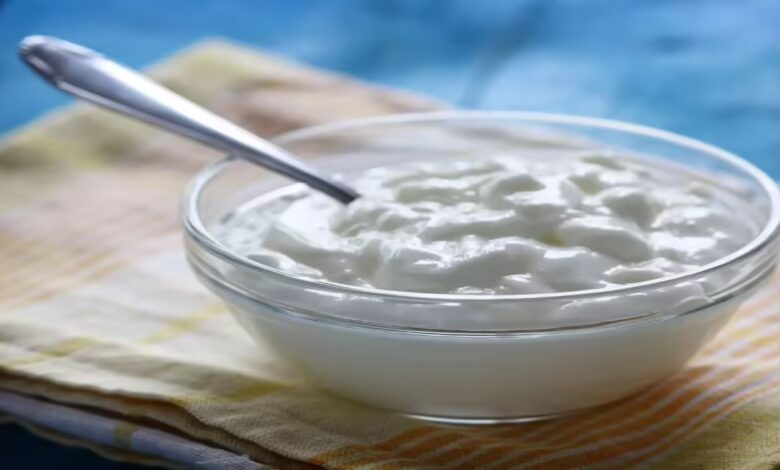
Curd is a staple food in many households and is often enjoyed throughout the year. During the summer months in particular, people turn to curd based dishes for their cooling effect and refreshing taste. While it is widely regarded as a nutritious addition to daily meals, diet experts say that pairing curd with the wrong foods may cause digestive discomfort rather than benefits.
Nutritionist Shweta Shah explains that curd contains beneficial bacteria that support gut health and improve digestion. It is rich in protein, calcium and lactic acid, making it a valuable part of a balanced diet. Regular consumption can help strengthen bones and muscles while also supporting healthy skin and hair. Despite these advantages, some people complain about acidity or gas after eating curd, which experts say may result from incorrect food combinations.
According to dietary guidelines inspired by traditional practices, certain foods work well together while others can disturb digestion. Curd falls into the category of foods that are highly beneficial on their own but may become problematic when mixed with incompatible ingredients.
One common mistake people make is adding salt to curd. Many popular dishes such as raita rely on this combination, but some nutrition experts suggest avoiding it. Shweta Shah notes that in traditional dietary wisdom, mixing salt with curd is not considered ideal and may lead to acidity or digestive issues for some individuals.


Instead, she suggests pairing curd with natural sweet ingredients when looking for a cooling effect. Mixing curd with sugar or rock sugar is believed to help maintain the body’s balance during hot weather. This combination may also enhance the refreshing properties that make curd so popular in summer diets.
Another recommended pairing is curd with amla powder. Amla is rich in vitamin C and is known for its health promoting properties. When consumed with curd, it may help regulate pitta in the body while also strengthening immunity. Experts say this combination can also benefit skin and hair health.
Certain traditional dishes, however, may not be the best match with curd. One example often discussed is dahi vada, a popular snack where lentil dumplings are served in curd. According to Shweta Shah, urad dal used in the dumplings may not combine well with curd for some individuals. She suggests that using moong dal instead could be a better alternative for digestion.
The timing of curd consumption is also considered important. Experts recommend eating curd during lunch as it is the most suitable time for digestion. It can also be consumed in small amounts at breakfast. However, eating curd late at night is generally discouraged.
People who experience cold, cough or throat irritation are especially advised to avoid curd at night. Since curd has a cooling nature, it may worsen such symptoms for some individuals if consumed before bedtime.
While curd remains one of the healthiest and most versatile foods in daily diets, nutritionists emphasize that mindful combinations and proper timing can make a significant difference. Understanding how to pair curd with other foods can help people enjoy its benefits without facing unnecessary digestive problems.