
Simple Daily Habits That Can Help Relieve Bloating and Improve Digestion
Digestive discomfort after meals is becoming increasingly common due to unhealthy eating habits and stress but experts say a few simple lifestyle changes can help ease bloating quickly.

Many people today complain of feeling heavy or uncomfortable soon after eating a meal. Busy schedules, irregular meal timings and the growing dependence on fast food have made digestive issues more common than before. Health experts say that bloating after eating is often a sign that the digestive system is struggling to process food properly.
In many cases, the problem is linked to simple habits such as eating too quickly or lying down immediately after meals. These behaviors slow down digestion and can lead to gas formation in the stomach. Instead of ignoring these symptoms, experts recommend making small lifestyle adjustments that can help the digestive system function more efficiently.
One of the easiest changes is to avoid sitting or lying down right after eating. Gentle physical movement can help the body digest food better. Experts suggest taking a slow walk for about fifteen minutes after meals. Another helpful practice is sitting in Vajrasana for around ten minutes, which is believed to support digestion and reduce gas formation.
Warm beverages can also make a noticeable difference. Drinking warm water after meals helps the digestive system break down food more easily. Ginger tea is another useful option because ginger contains natural anti inflammatory compounds that soothe the digestive tract and help relieve bloating.

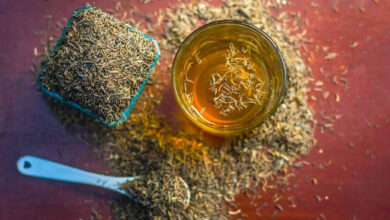
Natural kitchen ingredients like cumin and carom seeds are also commonly recommended for digestive relief. Chewing a small amount of carom seeds after meals or drinking cumin infused water can help release trapped gas in the stomach. These ingredients stimulate digestive enzymes and support smoother digestion.
The way food is eaten can also influence how well it is digested. Many people tend to eat quickly while distracted, which leads to swallowing excess air along with food. This trapped air often contributes to bloating. Taking smaller bites and chewing food thoroughly allows saliva to mix properly with food, making it easier for the stomach to process.
Another factor that can contribute to bloating is excessive salt intake. Consuming too much salt causes the body to retain water, which can make the stomach feel swollen and uncomfortable. Keeping salt levels moderate in daily meals may help reduce this issue.
Experts also advise avoiding large amounts of water immediately after eating. While staying hydrated is important, drinking too much water right after meals can dilute digestive juices and slow the breakdown of food.
Although occasional bloating is common, persistent digestive discomfort should not be ignored. In most cases, simple habits such as mindful eating, light movement after meals and the use of natural digestive aids can bring quick relief.
However, if the problem continues for a long time or becomes severe, health professionals recommend consulting a doctor. Early attention to digestive health can prevent more serious issues and help maintain overall well being.