Three Essential Vitamins Experts Recommend After Age Forty to Maintain Strength and Vitality
Health specialists say proper nutrition becomes crucial after forty as metabolism slows and hormonal shifts begin. Vitamins D C and B12 can support bones immunity nerves and overall wellbeing.
Crossing the age of forty often marks an important transition in the body. Many people begin to notice subtle changes such as slower metabolism reduced energy and occasional joint or muscle discomfort. Health experts say these shifts are natural but they also highlight the growing importance of proper nutrition and balanced lifestyle choices during this stage of life.
Rather than viewing forty as the beginning of decline doctors describe it as the start of a new phase that requires smarter health decisions. With the right diet and lifestyle many people can maintain strong physical and mental health well into later decades. Nutritionists emphasize that certain vitamins become especially important to support the body as it adapts to age related changes.
Among the most important nutrients recommended after forty are vitamin D vitamin C and vitamin B12. These three vitamins play vital roles in maintaining bone strength skin health nerve function and the immune system. Ensuring adequate intake may help people stay energetic and reduce the risk of several common health concerns that appear with age.
Vitamin D is widely considered essential for maintaining strong bones. As people grow older bone density gradually declines which increases the risk of osteoporosis and fractures. Vitamin D helps the body absorb calcium efficiently which is necessary for building and maintaining healthy bones.


When vitamin D levels are too low the body may struggle to use calcium effectively even if the diet contains enough of it. In some cases excess calcium may accumulate elsewhere rather than reaching the bones. Health professionals also link low vitamin D levels with weakened immunity and even mood related concerns such as anxiety or depression.
Sunlight remains one of the most natural ways to support vitamin D production. Experts recommend spending around twenty minutes in gentle morning sunlight whenever possible. If natural exposure is limited doctors may advise blood tests and appropriate supplements to maintain healthy levels.
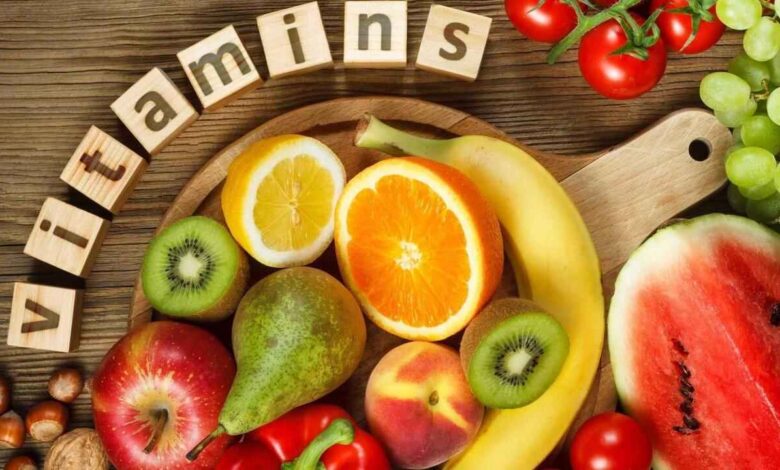
Vitamin C is another key nutrient that supports overall health after forty. Known as a powerful antioxidant it helps protect the body from oxidative stress which increases as people age. Oxidative stress can damage cells and contribute to aging related problems including skin changes and cardiovascular concerns.
The vitamin also plays a major role in collagen production which keeps skin firm and youthful. As collagen levels decline with age many people begin to notice wrinkles dull skin and dark circles under the eyes. Adequate vitamin C intake helps the body maintain stronger connective tissues and healthier skin.
Beyond cosmetic benefits vitamin C also supports heart health by strengthening blood vessel walls and improving circulation. Fruits such as gooseberries and lemons are rich natural sources of vitamin C and can be easily included in daily meals. Nutritionists say regularly consuming fresh fruits and vegetables is one of the simplest ways to maintain this essential nutrient.
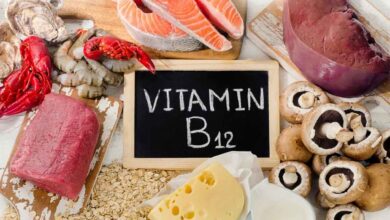
Vitamin B12 becomes increasingly important as the body ages because the digestive system gradually loses efficiency in absorbing it. Many adults over forty experience symptoms such as numbness in the hands and feet fatigue memory problems or burning sensations in the legs. These issues are sometimes dismissed as normal aging but in many cases they may be linked to B12 deficiency.
Vitamin B12 is vital for maintaining the protective layer around nerves known as the myelin sheath. When B12 levels fall this protective layer may weaken which can interfere with nerve signals traveling between the brain and the rest of the body. This disruption may affect concentration memory and overall neurological health.
Vegetarians often need to pay extra attention to B12 intake because the vitamin is primarily found in animal based foods. Dairy products such as milk yogurt and paneer can provide helpful sources for those who do not consume meat. Regular medical checkups and blood tests may help identify deficiencies early so doctors can recommend suitable dietary changes or supplements.
While vitamins are important experts also warn that unhealthy eating habits can worsen health problems after forty. One common issue during this stage is insulin resistance where the body becomes less effective at using insulin to control blood sugar levels. Diets high in refined flour sugary foods and processed snacks may increase this risk.
Highly processed foods often contain trans fats artificial sweeteners and preservatives which can harm the liver and cardiovascular system over time. Excess refined carbohydrates also tend to convert quickly into body fat particularly around the abdominal area.
Nutritionists suggest returning to more natural eating patterns similar to those followed in traditional diets. Instead of refined sugar people can choose natural sweeteners such as jaggery or honey in moderate amounts. Whole grains including millets sorghum finger millet pearl millet and unpolished rice provide more fiber and release energy slowly in the body.
Green leafy vegetables colorful fruits lentils and legumes are also considered essential components of a healthy diet. These foods contain a wide range of vitamins minerals and antioxidants that support long term health. Experts advise reading ingredient labels carefully before purchasing packaged foods and avoiding products with long lists of artificial additives.
Small lifestyle changes can make a significant difference in maintaining health after forty. Regular walks in sunlight consuming fresh fruits including dairy products and choosing whole natural foods are simple habits that can support the body’s changing needs.
Doctors emphasize that good health at any age begins with everyday choices. The body is a remarkable system capable of maintaining strength and vitality when provided with proper care nutrition and attention. By focusing on balanced eating and essential nutrients people can continue to lead active energetic lives well beyond middle age.