
Peanuts or Makhana Which Snack Helps Burn Fat Faster Experts Explain the Difference
Nutrition experts say both peanuts and makhana offer health benefits, but their calorie levels and nutritional profiles affect weight loss differently, making one a better option for people targeting fat reduction.
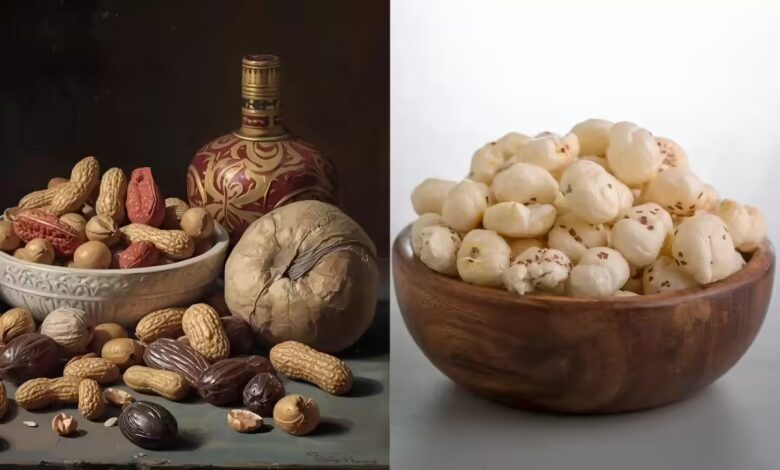
As obesity continues to rise due to unhealthy eating habits, poor sleep and lack of physical activity, many people are searching for simple diet changes that can help them lose weight. Among the most common snack choices for those trying to stay healthy are peanuts and makhana, two foods often recommended as alternatives to fried or processed snacks.
Weight loss experts say the key to reducing body fat is not skipping meals but choosing the right foods. Snacks play an important role in daily diets, and selecting options that are nutritious while still satisfying hunger can make a significant difference.
Nutrition specialist Sneha Paranjape explains that both peanuts and makhana have their own advantages. However, when the goal is faster fat reduction and lower calorie intake, the nutritional balance between the two becomes important.
Makhana, also known as fox nuts or lotus seeds, is widely considered one of the best snacks for people trying to reduce weight. It is naturally low in calories and fat, making it easier to include in a calorie controlled diet. Because of its light texture and nutritional profile, makhana is often recommended for those trying to reduce belly fat without feeling deprived of snacks.


Another advantage of makhana is its rich nutritional content. It contains antioxidants, fiber and essential minerals that support digestion and overall health. Fiber in particular helps regulate digestion and can contribute to a feeling of fullness, which may reduce unnecessary snacking during the day.
Peanuts, on the other hand, are known for their high protein and fiber content. These nutrients help keep people feeling full for longer periods, which can be useful for controlling hunger between meals. For individuals who struggle with frequent cravings, peanuts can be an effective snack choice when consumed in moderation.
However, peanuts also contain significantly more calories compared with makhana. Because of their high energy content, eating large quantities of peanuts can quickly increase daily calorie intake. This is why experts often recommend limiting the portion size when peanuts are included in a weight loss diet.
According to nutrition guidance, people aiming to lose weight should consume peanuts carefully and in small quantities. A small handful or around five to six peanuts at a time is often suggested as a reasonable portion that provides nutrition without adding excessive calories.
Experts therefore say the choice between peanuts and makhana depends largely on a person’s goal. If the primary focus is reducing calorie intake and accelerating weight loss, makhana is generally considered the better option. Its low calorie nature allows people to snack without significantly affecting their daily energy balance.
Peanuts can still play a role in a healthy diet, particularly for those looking to maintain energy levels and control hunger. The protein content in peanuts helps sustain fullness and may prevent overeating later in the day. The key factor is moderation.
Dietitians also emphasize that the way these snacks are prepared matters. Frying peanuts or makhana in oil can increase calorie levels significantly, which may reduce their benefits for weight control. Instead, dry roasting is often recommended as a healthier preparation method.
Maintaining balance in the diet remains the most important rule. Experts say relying too heavily on any single snack, even healthy ones, is not advisable. A balanced diet that includes fruits, vegetables, whole grains and adequate hydration works best for long term weight management.
With simple adjustments like choosing lighter snacks and controlling portion sizes, people can gradually improve their eating habits. Whether it is peanuts or makhana, mindful consumption and balanced nutrition are the real keys to achieving sustainable weight loss.