

Red or Yellow Watermelon: Which One Packs More Health Benefits for Your Body
Both red and yellow watermelons are naturally nutritious with unique pigments offering antioxidants vitamins and hydration helping heart eye and immune health in different ways
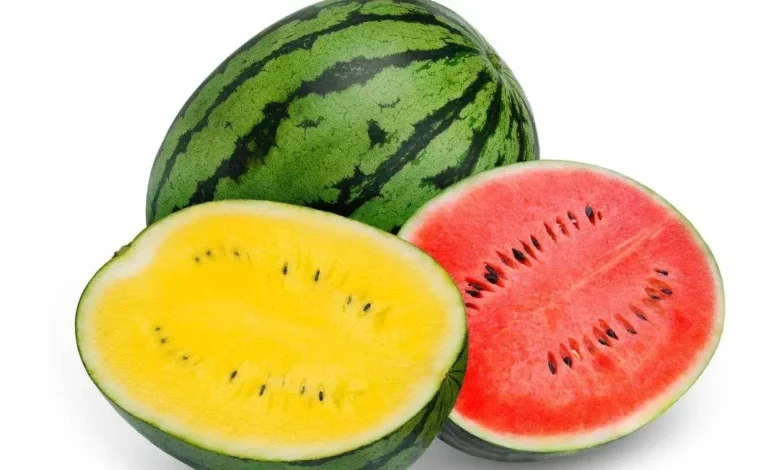
Watermelon is the quintessential summer fruit, instantly associated with refreshing red flesh. Yet, yellow watermelon has been cultivated even before red varieties became popular. The primary difference between the two lies in their pigments. Red watermelon contains lycopene, a powerful antioxidant, while yellow watermelon is rich in beta-carotene, which converts to vitamin A in the body.
Red watermelon is known for its heart-protective benefits. Lycopene helps neutralize harmful free radicals, and citrulline, an amino acid found in the fruit, relaxes blood vessels to support healthy blood pressure. It is especially beneficial for people who spend a lot of time outdoors or engage in strenuous exercise, helping reduce muscle soreness and protecting skin from sun damage.
Yellow watermelon offers a sweeter taste with a honey-like flavor, making it slightly more appealing to those with a sweet tooth. Its beta-carotene content supports eye health and boosts immunity. Regular consumption can help strengthen the body’s defenses against infections and support overall vitality.
Both varieties are extremely hydrating, composed of about 92 percent water, making them excellent for preventing dehydration during hot summer days. Choosing between them depends on personal health goals: red watermelon for heart and cardiovascular health, yellow for eye health and immune support.


For optimal benefits, incorporating both types into your diet periodically is ideal. Eating them during the day maximizes nutrient absorption, while overconsumption at night or immediately after large meals may impact digestion. As summer arrives, enjoying these naturally sweet, nutrient-rich fruits is a delicious way to recharge and maintain overall wellness.