Early Warning Signs of Heart Blockages Experts Urge Timely Attention
Doctors highlight key symptoms like chest pain breathlessness and fatigue as early warning signs of blocked arteries stressing lifestyle changes and timely medical care to reduce heart attack risk
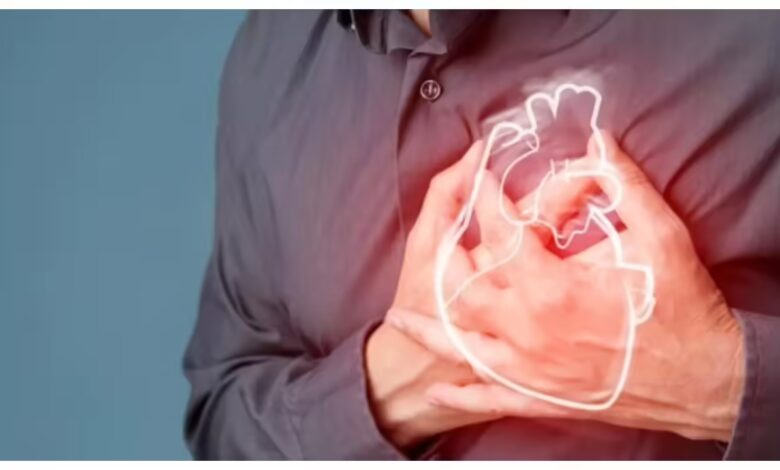
Rising cases of heart related conditions have become a growing concern, with experts warning that many incidents could be prevented through early detection. One of the leading causes behind a Heart Attack is the gradual buildup of blockages in the arteries, a condition medically known as Coronary Artery Disease.
According to cardiologist Dr Ajit Jain from Rajiv Gandhi Hospital, these blockages develop over time due to the accumulation of fat and calcium in the blood vessels. This process, called Atherosclerosis, restricts blood flow to the heart and can eventually trigger a heart attack if not addressed.
One of the most common early symptoms is chest discomfort. Patients often describe it as a feeling of pressure or tightness in the chest. In some cases, the pain may spread to the left arm, shoulder, neck or jaw. Such signs should never be ignored, as they may indicate reduced blood supply to the heart.
Breathlessness during routine activities is another important warning sign. If a person experiences unusual fatigue or shortness of breath while walking or performing light tasks, it could mean the heart is not receiving enough oxygen rich blood. Sudden dizziness, cold sweats and irregular heartbeats are also symptoms that may point to underlying heart issues.

Doctors emphasize that these symptoms do not appear overnight. They develop gradually, often going unnoticed or being dismissed as minor discomfort. However, ignoring them can increase the risk of serious complications.
Several lifestyle and health factors contribute to the formation of arterial blockages. High levels of bad cholesterol, commonly referred to as Low Density Lipoprotein, along with High Blood Pressure and Diabetes, are among the major causes. Smoking, chronic stress and lack of physical activity further raise the risk.
Certain individuals may be more vulnerable than others. Those with a family history of heart disease, high cholesterol or hypertension are at greater risk and should undergo regular health checkups to monitor their condition.
Preventive care remains the most effective approach. Maintaining a balanced diet rich in fruits and vegetables, engaging in daily physical activity and managing stress can significantly improve heart health. Keeping blood pressure and blood sugar levels under control is equally important.
Experts advise that any persistent or unusual symptoms should be evaluated by a medical professional without delay. Early diagnosis and timely treatment can make a crucial difference, helping reduce the likelihood of severe heart complications.