

Early Warning Signs of Heart Attack Often Appear Days Before
Doctors warn that heart attacks rarely strike without warning as the body shows subtle symptoms days earlier making awareness timely diagnosis and lifestyle changes crucial to prevent life threatening emergencies
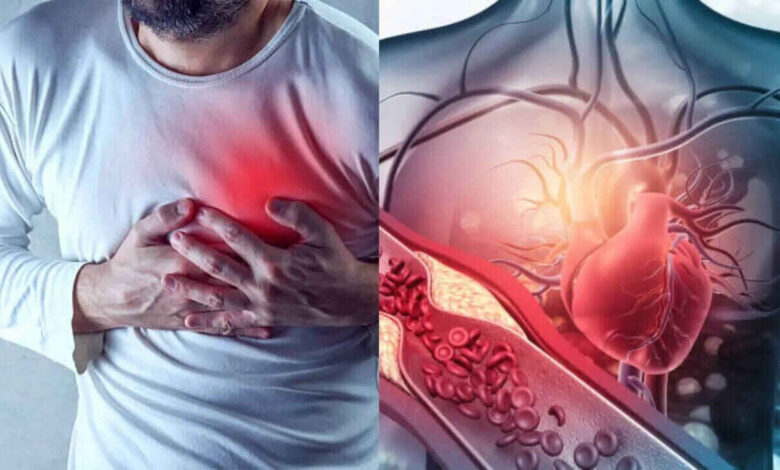
A growing number of heart attack cases among young adults has raised serious concerns among health experts, who say the condition is no longer limited to older individuals. Sudden collapses during workouts or routine activities have become more common, but doctors emphasize that such events are rarely without warning.
According to insights shared by Harvard Health Publishing, the body often signals trouble nearly a week or even ten days before a heart attack occurs. These early symptoms are frequently ignored or mistaken for minor issues like fatigue or indigestion, which can delay timely medical intervention.
One of the most overlooked warning signs is unusual fatigue. People may feel exhausted throughout the day even without physical exertion. This symptom is especially common among women and may indicate reduced blood flow to the heart.
Another key indicator is shortness of breath. If routine activities such as walking short distances or climbing stairs suddenly feel difficult, it could signal that the heart is struggling to pump efficiently. This change is often gradual but should not be ignored.


Digestive discomfort can also be misleading. Symptoms like nausea, vomiting, or a burning sensation in the chest are often confused with acidity. However, these could be early signs of heart distress, particularly when they occur unexpectedly.
Sleep disturbances and unexplained anxiety are additional red flags. Difficulty falling asleep or a sudden sense of unease without any clear reason may reflect underlying strain on the heart. The brain and heart are closely connected, and such symptoms can sometimes act as indirect warnings.
Pain is not always limited to the chest. Discomfort can spread to the left arm, jaw, neck, or back. These patterns of pain, especially when they appear suddenly, should prompt immediate attention.
Medical experts stress that recognizing these early signs can make a critical difference. Seeking timely consultation with a cardiologist and undergoing tests such as ECG or echocardiography can help detect problems before they become life threatening.
The first hour after a heart attack, often called the golden hour, is crucial for survival. Any suspicion should lead to immediate hospital care rather than self medication or delay.
Preventive measures also play a major role. Maintaining a balanced lifestyle with regular physical activity, proper sleep, and stress management can significantly reduce the risk. Individuals with a family history of heart disease are advised to be particularly cautious and schedule routine health checkups.
As heart related conditions continue to rise across age groups, experts underline the importance of listening to the body. Early attention to these subtle signals can help prevent serious outcomes and save lives.