

Rising Use of Protein Supplements Raises Questions on Safety and Benefits
Experts say protein supplements can support fitness goals but overuse without guidance may lead to digestive issues kidney strain and nutritional imbalance stressing the importance of balanced diet and proper intake
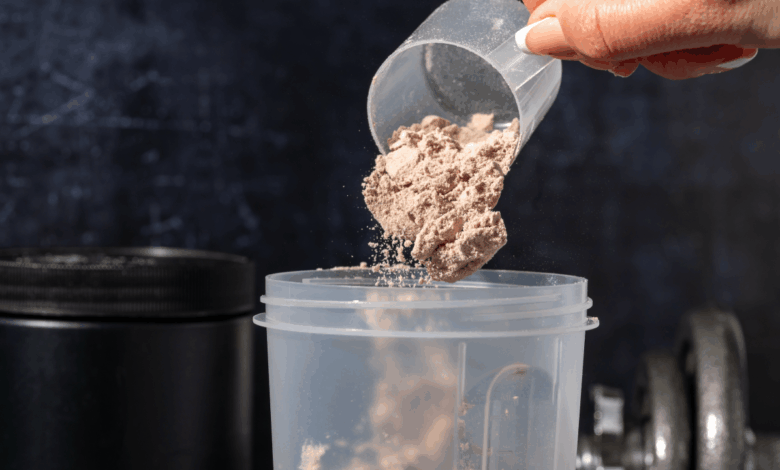
The growing popularity of Protein supplements among fitness enthusiasts and young adults has sparked a wider conversation about their actual benefits and potential risks. From gym goers to athletes and individuals aiming for weight management, protein powders and shakes have become a common part of daily routines.
Protein plays a vital role in the body by supporting muscle growth, tissue repair, and bone health. However, health experts caution that relying too heavily on supplements instead of natural food sources may not always be the best approach. The body requires a balance of nutrients, and excessive intake of protein alone can lead to complications.
One of the most common issues linked to overconsumption is digestive discomfort. People may experience bloating, gas, constipation, or even diarrhea when the body struggles to process large amounts of protein. In addition, higher protein intake increases the body’s need for water, which can lead to dehydration if fluid intake is not adequate.
There are also concerns about long term effects on kidney health. Consistently consuming high levels of protein may put extra strain on the kidneys, particularly for individuals who already have underlying kidney conditions. This makes it important to consult a healthcare professional before starting regular supplementation.


Another factor to consider is the composition of many commercial supplements. Some products contain added sugars, artificial flavors, and excess calories, which can contribute to unintended weight gain. Overdependence on supplements may also result in missing out on other essential nutrients that come from a varied diet.
The actual protein requirement varies from person to person based on age, body weight, activity level, and overall health. For most healthy adults, around 0.8 to 1 gram of protein per kilogram of body weight is considered sufficient. Athletes or highly active individuals may require slightly higher intake, but this should include both dietary sources and supplements combined.
Experts recommend using supplements only as an addition to a balanced diet rather than a replacement. Reading product labels carefully, checking ingredient quality, and staying within recommended limits are important steps. Drinking enough water throughout the day is equally essential to support proper digestion and metabolism.
If any side effects such as stomach pain or discomfort occur after using a supplement, it is advisable to stop immediately and seek medical advice. People with liver, kidney, or digestive conditions should be particularly cautious and consult a doctor before use.
While protein supplements can be beneficial when used correctly, moderation and awareness remain key. A well balanced diet combined with informed choices can help individuals achieve their fitness goals without compromising overall health.