

Red vs Green Capsicum Which One Truly Boosts Your Health More
From weight loss support to immunity boosting nutrients experts explain how red and green capsicum differ in taste cost and health value and which one should be part of daily diet
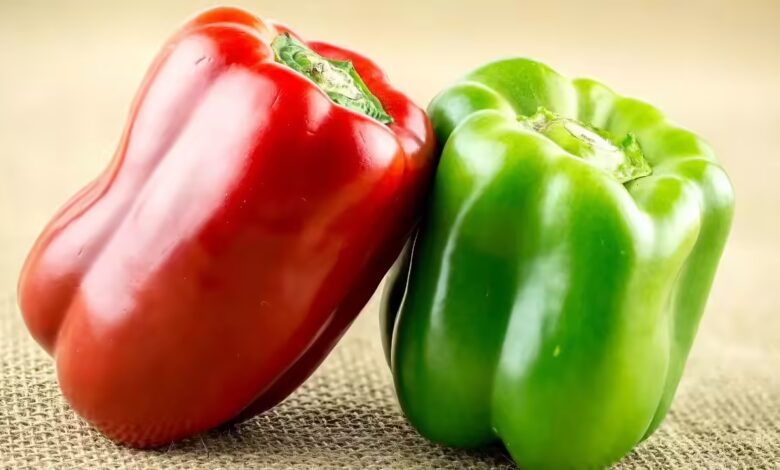
Capsicum has quietly become a staple in modern kitchens not just for its vibrant colors but also for its growing reputation as a healthy addition to everyday meals. While many people pick it for taste or price, nutrition experts say the choice between red and green varieties can make a noticeable difference to your health.
Interestingly, the key difference begins even before the vegetable reaches your plate. Green capsicum is essentially the unripe version, harvested earlier in its growth cycle. This is why it carries a slightly bitter flavor and is more affordable in markets. On the other hand, red capsicum develops only after the vegetable fully matures, which enhances both its sweetness and its nutritional profile.
For those focusing on calorie control, green capsicum remains a popular choice. It is low in calories and rich in fiber, making it suitable for weight management diets. It also contains a good amount of vitamin K and plant compounds that support digestion and overall metabolic health. Its mild bitterness works well in cooked dishes, adding depth without overpowering flavors.
Red capsicum, however, stands out when it comes to nutrient density. As the vegetable ripens, its vitamin content increases significantly. It becomes especially rich in vitamin C and vitamin A, along with powerful antioxidants like beta carotene and lycopene. These compounds are known to support immunity, improve skin health and contribute to better vision. Many dietitians also link regular consumption of red capsicum to improved heart health due to its antioxidant properties.


Taste is another factor that often influences preference. Red capsicum is naturally sweeter and juicier, making it ideal for salads and raw dishes. In contrast, green capsicum is more commonly used in stir fries and curries where its slightly sharp taste balances other ingredients.
Price also reflects this natural progression. Since green capsicum is harvested earlier and grows faster, it is widely available at lower cost. Red capsicum requires more time to ripen, which explains its higher price in most markets.
Health experts suggest that instead of choosing one over the other, combining both in your meals can offer a broader range of nutrients. Each variety brings its own benefits, and together they create a balanced nutritional profile.
Ultimately, whether you choose green for its affordability and low calorie content or red for its richer nutrients, capsicum in any form remains a valuable addition to a healthy diet.