Why Eating Watermelon Seeds Could Be a Hidden Health Boost for Your Body
Experts reveal that watermelon seeds are rich in proteins, minerals, and antioxidants that support heart health, improve immunity, and protect the skin when consumed in moderation daily.
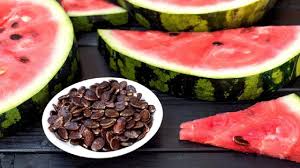
Summer afternoons are incomplete without a chilled slice of watermelon, yet most people instinctively discard the seeds, thinking they are waste. Surprisingly, those small black seeds are nutritional powerhouses that provide a range of health benefits when included in your diet.
Recent research challenges the common misconception that watermelon seeds are harmful to swallow. According to ICAR reports, these seeds are far from being useless—they are packed with nearly 30 percent protein and contain essential amino acids like arginine, which helps regulate blood pressure and supports heart health.
In addition to proteins, watermelon seeds are loaded with omega fatty acids that help reduce bad cholesterol. Minerals such as magnesium, zinc, and iron enhance nerve function, boost immunity, and prevent anemia. The antioxidant properties of these seeds protect the skin from sun damage, prevent premature wrinkles, and reduce summer acne. Magnesium in the seeds also plays a role in alleviating heat-induced stress on the heart.
While eating raw seeds is generally safe, experts suggest roasting or sprouting them for better nutrient absorption. Seeds can be cleaned, dried, and lightly roasted in a little ghee or oil, seasoned with salt, chili, or amchur powder for a crunchy snack. They can also be added to morning dishes like poha, upma, or blended into smoothies for a nutritional boost.


Moderation is key—consuming a small handful of seeds daily is sufficient. Overeating may lead to digestive discomfort such as bloating. By incorporating these natural health boosters into your diet, you can enjoy the full benefits of watermelon without discarding any part of this summer favorite.