
Rapid Weight Loss Risks: Why Your Kidneys and Liver Could Be in Danger
Trying extreme diets or shortcuts for fast weight loss can severely stress vital organs like the liver and kidneys, disrupt metabolism, and trigger long-term health complications if done improperly
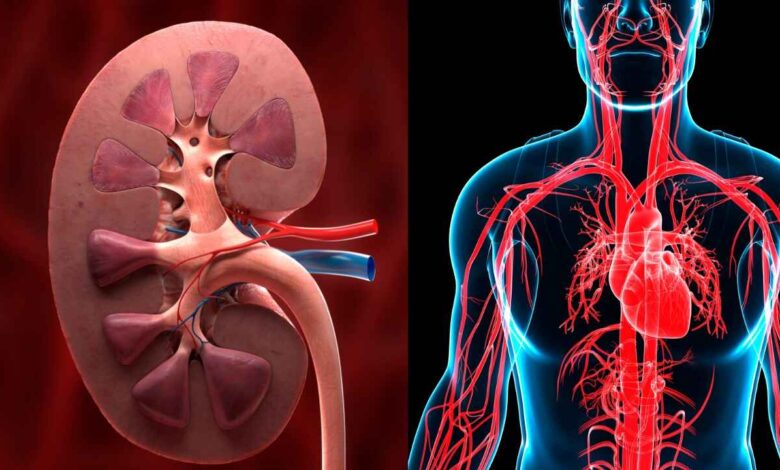
In today’s fast-paced world, everyone wants to look fit and slim. Social media often promotes crash diets and quick-fix methods promising dramatic weight loss in minimal time. While these methods seem effective, experts warn they can seriously harm vital organs, including the liver and kidneys. Rapid weight loss without proper nutrition and exercise puts internal systems under significant stress.
Many people attempt to lose weight by skipping meals or relying heavily on supplements, but true healthy weight loss involves balanced nutrition, regular physical activity, sufficient sleep, and proper hydration. Drinking three to four liters of water daily, getting seven to eight hours of sleep, and walking thirty minutes every day can help achieve sustainable results without damaging the body.
When the body is deprived of calories suddenly, it does not only burn fat but also breaks down muscle for energy. This weakens the body internally and slows metabolism. Extreme calorie restriction also strains the liver and kidneys as the body works harder to eliminate toxins, increasing the risk of long-term organ damage. Rapid dieting can upset electrolyte balance, which may cause irregular heart rhythms or even life-threatening complications.
Other risks of extreme weight loss include gallstone formation, persistent fatigue, irritability, dizziness, hair fall, and dull skin. Moreover, quick weight loss often leads to rebound weight gain once the diet is stopped, creating a cycle of instability in the body’s metabolism. Experts at Mayo Clinic suggest losing around 0.5 to 1 kilogram per week is the safest approach. Cutting 500 to 1000 calories daily while including regular exercise is recommended.

A balanced diet plan can support gradual and safe weight loss. For breakfast, replace idli or dosa with millet porridge, oats, or moong dal cheela, along with a boiled egg for protein. At lunch, switch from white rice to brown rice or millets and aim for a cup of rice with two cups of vegetables. For snacks, avoid junk food and opt for roasted chickpeas, almonds, or fresh fruit. Dinner should be finished before 8 PM and include light meals like oil-free chapati and leafy vegetables to promote digestion and maintain energy.
By prioritizing a balanced approach over extreme shortcuts, individuals can lose weight safely while protecting internal organs and overall long-term health.