
Chia Seeds: Superfood Benefits and Hidden Risks You Should Know
Chia seeds are celebrated for weight management, fitness, and heart health, but experts warn improper consumption can cause serious side effects for certain individuals. Learn who should be cautious.
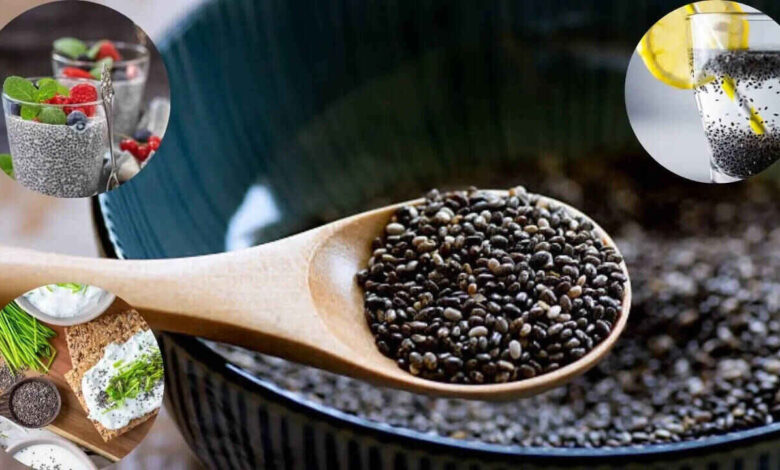
Chia seeds have gained a reputation as a superfood for their rich content of omega-3 fatty acids, fiber, and protein. Fitness enthusiasts and those aiming for weight loss often incorporate them into their diets. The seeds help maintain stable blood sugar levels, improve heart function, and promote a feeling of fullness thanks to their high fiber content, making weight management easier.
Despite these benefits, chia seeds are not universally safe. People with specific health conditions may face risks if they consume them indiscriminately. Those with low blood pressure should exercise caution, as chia seeds naturally lower blood pressure. While this effect may benefit individuals with hypertension, it can lead to dizziness, fatigue, or fainting in people already experiencing low blood pressure.
Kidney patients also need to be careful. Chia seeds are high in potassium, phosphorus, and oxalates, which can contribute to kidney stone formation. Excessive potassium intake could trigger hyperkalemia, a condition with dangerously elevated potassium levels in the body.
Individuals on blood-thinning medications should avoid chia seeds. The omega-3 fatty acids in the seeds may interfere with anticoagulants, increasing the risk of excessive bleeding.

Digestive issues can also arise from overconsumption. Just two tablespoons of chia seeds contain about 10 grams of fiber. While fiber is beneficial, consuming large amounts at once may lead to bloating, diarrhea, constipation, or stomach discomfort, particularly for those with existing gastric problems.
In summary, while chia seeds offer impressive health advantages, moderation is key. Consulting a healthcare professional is advisable for those with low blood pressure, kidney concerns, digestive issues, or those on blood-thinning medication before adding chia seeds to their daily routine.