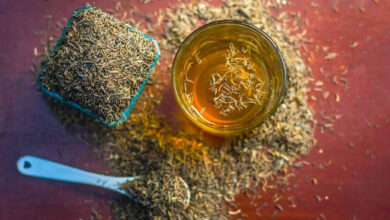

Fennel Seeds After Meals: Ancient Tradition Holds Surprising Health Benefits You Should Know
Experts say consuming fennel seeds after meals aids digestion, relieves bloating, supports gut health, freshens breath, and may even assist in weight management if taken daily
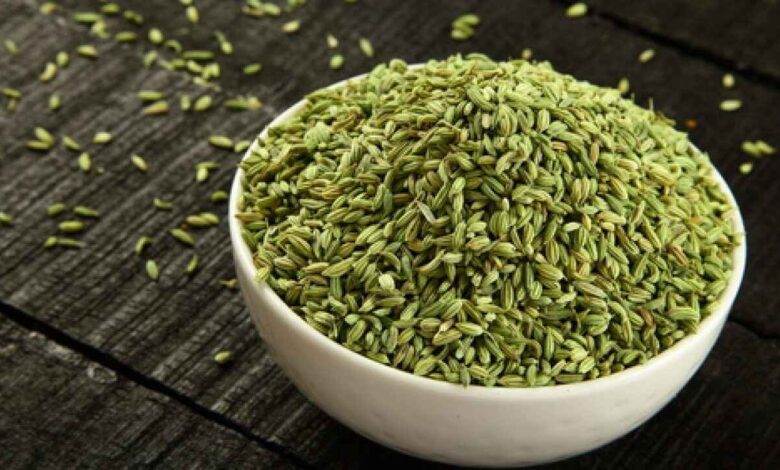
In Indian tradition, meals often conclude with a small serving of fennel seeds, a practice passed down through generations. While many consider it merely a way to freshen the breath, gastroenterologists emphasize that these tiny seeds are a powerful digestive aid with multiple health benefits.
Fennel seeds contain essential oils like anethole, fenchone, and estragole, which actively help release gas from the stomach. After a heavy meal, these compounds can reduce bloating, discomfort, indigestion, and even constipation. Their antispasmodic properties help relax intestinal muscles, allowing food to move smoothly through the digestive tract, promoting faster and more efficient digestion.
Beyond digestion, fennel seeds act as a natural mouth freshener. Chewing them stimulates saliva production, which not only eliminates harmful bacteria in the mouth but also supports gum health. The aromatic oils in fennel seeds help maintain fresh breath throughout the day, making them a simple, natural alternative to artificial breath fresheners.
Fennel seeds may also support weight management. High in dietary fiber, they help curb unnecessary appetite and prevent overeating after meals. By including fennel seeds regularly, individuals can indirectly promote better calorie control and digestive efficiency.


Experts recommend consuming a teaspoon of fennel seeds after each meal, chewing them thoroughly for maximum benefit. A small amount of jaggery can be added for taste, but plain seeds are healthier than sugar-coated versions. For those who prefer a beverage form, fennel seeds can be boiled in water to make a mild tea that provides similar digestive support.
Incorporating this simple, age-old habit into your daily routine can improve digestion, enhance gut function, maintain oral hygiene, and even assist with weight management, proving that sometimes the smallest traditions hold the greatest benefits.