
Simple Home Tests to Monitor Lung Health and Detect Early Breathing Issues
Even mild shortness of breath or fatigue after climbing a few steps may indicate reduced lung capacity, making early home monitoring essential for overall health and prevention.
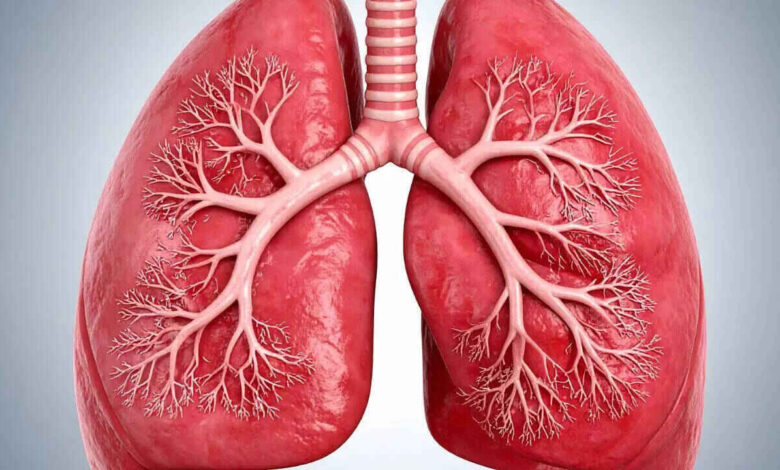
Lungs are one of the most vital organs in the human body, yet many people overlook their health in the rush of daily life. A slight struggle climbing just a couple of steps or feeling your chest heaving after minimal exertion can be the earliest signs that your lungs are losing strength. Ignoring these signals can affect not only the lungs but also the heart, brain, and other organs.
Medical science measures lung efficiency using a metric called Forced Vital Capacity, or FVC, which represents the amount of air the lungs can expel forcefully. Surprisingly, you can perform a simple version of this test at home using common items. For this, you will need a 5-liter plastic bottle, a bucket, and a rubber tube. Fill the bottle with water and mark the 200-milliliter level. Submerge the bottle upside down in a bucket of water, insert the rubber tube, and exhale into it forcefully. The amount of water displaced reflects your lung strength. A healthy adult typically displaces between three to five liters of air in a single breath.
If setting up a bottle test seems cumbersome, there is an easier alternative. Take a deep breath and exhale slowly, timing how long you can release your breath in a single exhalation. Being able to maintain a controlled exhale for at least eleven seconds is a strong indicator of healthy lungs. Naturally, lung capacity declines slightly with age, but this reduction should not be rapid or severe.
Maintaining healthy lungs requires consistent lifestyle practices. Experts recommend singing to strengthen respiratory muscles. Additionally, moderating salt intake and including foods rich in antioxidants support lung function. Excess fat around the abdomen can restrict lung expansion, so keeping your weight under control is also crucial.

While these home tests provide a general idea of lung health, they are not a replacement for professional evaluation. If you feel unusually short of breath while walking on level ground or cannot maintain normal breathing during exertion, consult a doctor promptly to assess and address any underlying conditions. Early detection and proper care can help preserve lung function and overall well-being.