
Kitchen Gold: Rare Spices That Cost More Than Gold and Carry Hidden Value
Some spices in our kitchens are not just flavor enhancers but rare treasures with high market value, shaped by difficult cultivation, limited supply, and traditional harvesting methods that make them surprisingly expensive today.
Spices have always held a special place in every kitchen, adding aroma, flavor, and even medicinal value to daily meals. While most people see them as common household essentials, there are a few spices in the world that are considered so rare and valuable that their prices often surprise buyers. Their high cost is not just due to demand, but also because of limited production and extremely labor intensive harvesting methods.
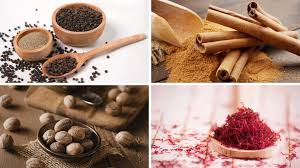
One of the most expensive spices in the world is saffron. Known as red gold, saffron is obtained from the delicate stigma of the Crocus flower. It takes thousands of flowers to produce even a small amount, and the entire process is done manually with great care. Because of this intense effort, the price of saffron can reach several lakhs per kilogram, making it one of the most precious spices on earth.
Another highly valued spice is cardamom, often called the queen of spices. It requires specific climate conditions to grow and is usually harvested by hand. Its strong aroma and unique taste make it widely used across cuisines. Due to its cultivation challenges and demand, cardamom continues to maintain a high market price in global trade.
Cloves are another example of a valuable spice found in many kitchens. They are actually dried flower buds that must be picked at the right time to preserve their quality. Major production comes from countries like Indonesia, and the price varies depending on quality, but it remains relatively high compared to common spices.


Asafoetida, commonly known as hing, is another expensive spice used in small quantities for its strong flavor. It is derived from plant resin and goes through a complex processing method. Because of its limited availability and purification process, its price can range significantly depending on its quality in the market.
Cinnamon, made from the inner bark of trees mainly grown in Sri Lanka, is also considered a premium spice. The highest quality variety is carefully peeled by hand and processed with precision. Its price varies based on grade, but true cinnamon remains one of the costlier spices due to its labor intensive production and natural growing conditions.
These spices may sit quietly in our kitchen shelves, but behind them lies a world of effort, tradition, and rarity that makes them as valuable as gold in many ways.