

Raw Papaya vs Ripe Papaya Which One Is Better for Health Experts Explain the Best Choice for Blood Sugar Control and Daily Diet
Choosing between raw and ripe papaya can make a difference in blood sugar management as nutrition experts highlight how each form impacts diabetes, digestion, and overall health in different ways
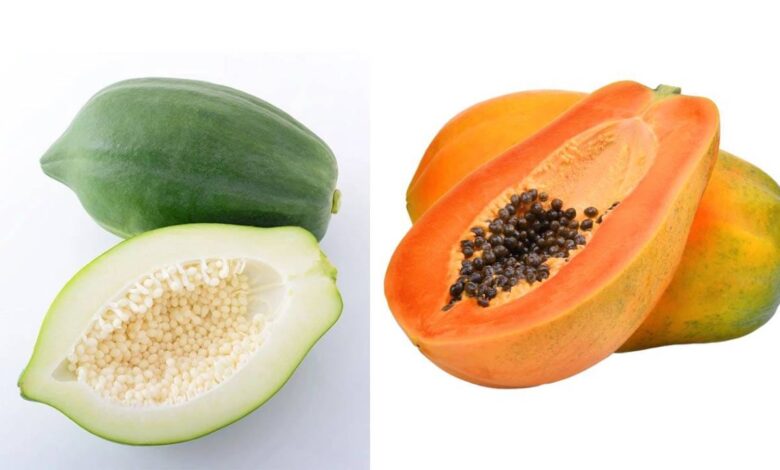
Papaya is widely available, affordable, and often recommended as a healthy fruit option, especially for people who are conscious about blood sugar levels. Recent studies have highlighted that this fruit may play a helpful role in managing glucose levels when consumed correctly. However, the health benefits can vary depending on whether the fruit is eaten raw or fully ripened.
For millions dealing with diabetes, controlling daily food intake is essential. Nutrition experts often point out that papaya contains valuable nutrients like vitamin C, fiber, flavonoids, and natural plant compounds that may help support better glucose control. These elements are believed to assist in maintaining more stable blood sugar levels when included in a balanced diet.
Raw papaya is increasingly being discussed as a better option for people with diabetes compared to the ripe version. One of the key reasons is its lower natural sugar content and reduced glycemic impact. Because of this, it does not cause sudden spikes in blood sugar, making it a more suitable choice for individuals with pre diabetes or type 1 and type 2 diabetes.
Another advantage of raw papaya is its high fiber content. Fiber plays an important role in slowing down glucose absorption in the body. It also supports better insulin response, which helps maintain steadier energy levels throughout the day. This makes raw papaya a practical addition to diabetic friendly meal plans.


On the other hand, ripe papaya is soft, sweet, and easier to consume, but it contains a higher level of natural sugars. The increased fructose content can lead to a quicker rise in blood glucose levels if eaten in large quantities. Because of this, health professionals often advise moderation for people who need to carefully monitor their sugar intake.
Ripe papaya still offers nutritional value and can be enjoyed as part of a healthy diet, but portion control becomes important. Eating it occasionally and in limited amounts may help avoid unwanted sugar spikes while still allowing individuals to benefit from its vitamins and antioxidants.
Overall, both raw and ripe papaya have their own advantages, but when it comes to blood sugar stability, raw papaya is often considered the safer and more effective choice. Doctors generally recommend choosing based on personal health needs and maintaining balance rather than completely avoiding one form.