
Iron Deficiency Warning Signs You Should Not Ignore and What to Eat to Improve Levels Naturally
Iron deficiency is becoming increasingly common especially among women and it can lead to fatigue dizziness and weakness. Early detection and proper diet choices can help restore healthy hemoglobin levels effectively
Iron deficiency is quietly becoming one of the most common nutritional problems today, especially among women. Many people ignore early symptoms, thinking they are just signs of tiredness or stress. However, doctors warn that low iron levels can gradually affect hemoglobin production and lead to more serious health concerns if not addressed on time.
In many cases, iron deficiency develops due to poor diet, nutritional imbalance, increased body demands, or heavy blood loss. Since iron plays a key role in oxygen transport throughout the body, its shortage can affect overall energy and organ function. This is why early attention to diet and lifestyle becomes extremely important.
One of the earliest signs includes constant fatigue that does not improve even after rest. People may also experience dizziness, pale skin, shortness of breath, and general weakness. These symptoms often appear slowly, which is why they are frequently ignored until the condition worsens.
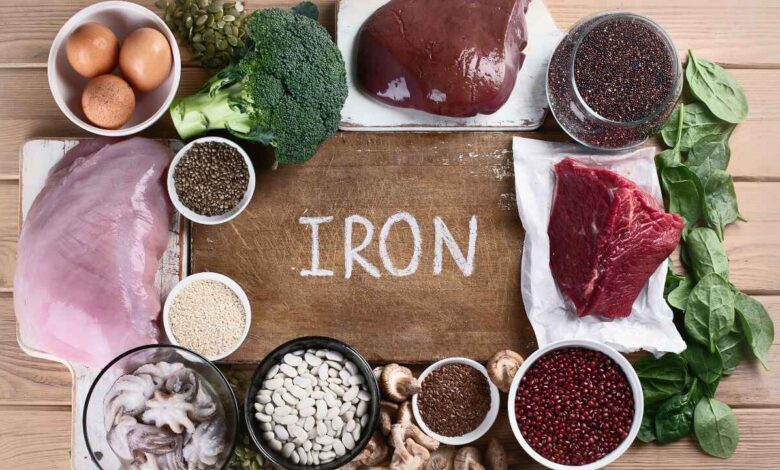
According to medical experts, including specialists from major hospitals, improving iron levels starts with including iron rich foods in daily meals. Leafy greens such as spinach, fenugreek leaves, and mustard greens are considered excellent natural sources of iron. Fruits like beetroot, pomegranate, dates, and raisins also help support hemoglobin production in the body.

Plant based proteins such as lentils, chickpeas, soybeans, and various pulses are also important additions to the diet. For non vegetarians, eggs, fish, and chicken can further support iron intake. When these foods are consumed in balanced amounts, they help the body gradually rebuild iron reserves and improve overall strength.
However, experts emphasize that simply eating iron rich foods is not enough. The body must also absorb iron properly for it to be effective. Vitamin C rich foods like lemons, oranges, and amla play a major role in improving absorption and should be included in meals regularly.
At the same time, certain habits can reduce iron absorption. Drinking tea or coffee immediately after meals can block iron intake, so it is better to avoid them around meal times. Small changes in eating patterns can significantly improve iron levels over time.
Lifestyle also plays an important role in recovery. Eating meals on time, maintaining good sleep, and staying physically active help support better blood health. In cases of severe deficiency, doctors may recommend supplements based on individual needs.
Regular health checkups are equally important to monitor iron levels and prevent complications early. With the right diet, mindful habits, and timely medical guidance, iron deficiency can be managed effectively and overall energy levels can be restored naturally.