

Heat Stroke Warning Why Head Pain in Sunlight Could Be a Serious Sign You Should Not Ignore
Headache after stepping into harsh sunlight may signal dehydration heat exhaustion or early heat stroke and should not be ignored as it can worsen quickly without proper care and preventive measures
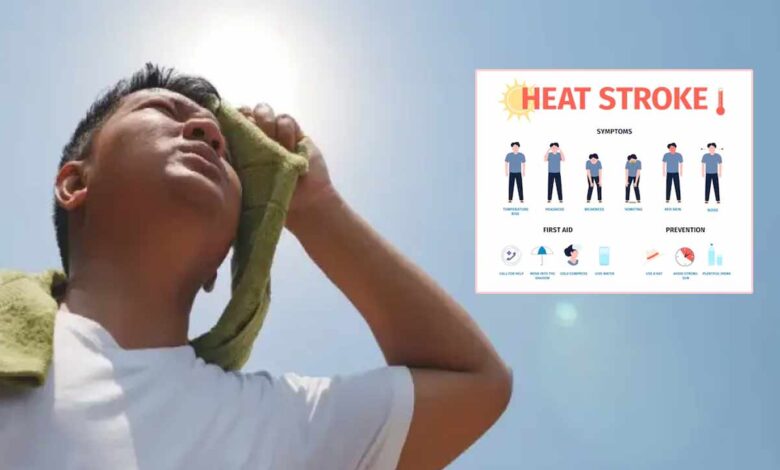
Summer heat is becoming increasingly harsh, and stepping outside during peak hours often feels unbearable. Many people notice a sudden headache the moment they go out in the sun, but tend to ignore it as simple fatigue. In reality, this discomfort can be an early warning sign of dehydration or heat related illness that needs attention.
Exposure to intense sunlight does not just cause headache. It can also lead to burning eyes, extreme tiredness, and a racing heartbeat. For those already suffering from migraines, bright sunlight often acts as a trigger, making the condition worse within minutes.
One of the major reasons behind this issue is dehydration. When the body loses water and essential salts through excessive sweating, the balance of electrolytes gets disturbed. This imbalance often results in severe headache, dizziness, and weakness that can escalate if ignored.
Another factor is the sudden rise in body temperature. Prolonged exposure to heat puts pressure on blood vessels in the brain, which can lead to pain and discomfort. In some cases, low blood sugar caused by going outside on an empty stomach also contributes to headache and lightheadedness.


Doctors often warn that even small mistakes during summer outings can lead to serious health problems. Lack of hydration, skipping meals, or prolonged exposure to direct sunlight can together increase the risk of heat exhaustion or even heat stroke in extreme cases.
Prevention starts with simple habits. Staying well hydrated before and after stepping out is essential. Drinks like coconut water and buttermilk help restore lost minerals and keep the body cool. These natural fluids are more effective than sugary drinks during hot weather.
Protection from direct sunlight is equally important. Wearing a hat, using an umbrella, or covering the head with a scarf can significantly reduce heat exposure. Sunglasses also help protect the eyes from harsh light that can trigger headaches in sensitive individuals.
Choosing the right clothing makes a difference as well. Loose cotton clothes allow better airflow and help regulate body temperature. It is also advisable to avoid going out during peak heat hours, usually between noon and late afternoon, when the sun is strongest.
Eating light meals before stepping out helps maintain energy levels and prevents sudden drops in blood sugar. Skipping food before sun exposure should be avoided, especially for children, elderly individuals, and pregnant women who are more vulnerable to heat related issues.
Headaches caused by sun exposure should never be taken lightly. If symptoms become frequent or severe, medical advice should be sought immediately. Early care and simple preventive steps can go a long way in avoiding serious heat related complications.