
High Cholesterol Warning Doctors Urge Immediate Diet Changes to Protect Heart Health
Unhealthy eating habits and modern lifestyle choices are pushing many people toward high bad cholesterol levels which silently increase the risk of heart disease and require urgent dietary correction for long term safety
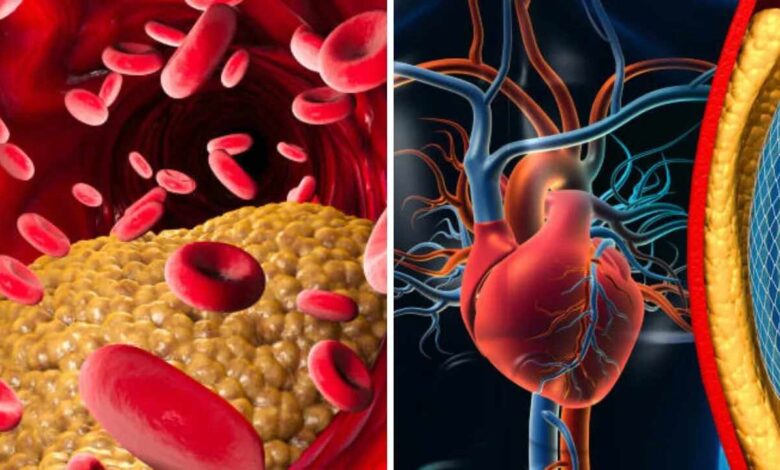
Health experts are increasingly concerned as cases of high cholesterol continue to rise even among younger age groups. What makes this condition dangerous is that it often develops silently without clear symptoms, yet it can lead to serious complications such as heart attack and stroke if ignored for too long.
Medical specialists explain that cholesterol plays two roles in the body. HDL is considered good cholesterol as it helps remove excess fat from the bloodstream, while LDL is harmful and contributes to fat buildup in arteries. When LDL levels rise and HDL drops, the risk to heart health increases significantly.
One of the biggest contributors to this problem is daily eating habits. Doctors point out that frequent consumption of junk food, processed items and trans fat rich products like bakery foods and red meat can gradually raise bad cholesterol levels. Over time this leads to narrowing of blood vessels and poor circulation.
Lifestyle conditions such as obesity and diabetes further worsen the situation. In many cases, people with type 2 diabetes tend to have lower HDL and higher LDL levels, creating a dangerous imbalance. Similarly excess body weight often triggers multiple health risks including high blood pressure and heart related complications.

Health professionals also warn that some genetic conditions can increase cholesterol levels, making prevention and monitoring even more important. Without proper attention, these factors together can significantly raise the chances of cardiovascular disease at an early age.
To manage this condition, doctors strongly recommend avoiding foods high in unhealthy fats. Instead of processed snacks and fried items, it is better to choose fresh and natural alternatives. Including fiber rich foods in the diet helps reduce cholesterol buildup and supports better heart function.
Foods like oats, whole grains, leafy vegetables, fruits such as apples and oranges, along with nuts and seeds, are considered beneficial for maintaining healthy cholesterol levels. Healthy fats from sources like olive oil, walnuts and flaxseeds also support heart health when consumed in moderation.
Protein needs can be met through lentils, beans, chickpeas, soy products and low fat dairy options. For those who follow vegetarian diets, chia seeds soaked in water can also provide helpful omega 3 fatty acids that support heart function.
Along with dietary changes, regular physical activity plays a key role in controlling cholesterol. Experts suggest at least thirty minutes of walking or exercise daily to improve metabolism and maintain healthy blood circulation. Small consistent changes in food habits and lifestyle can make a major difference in preventing heart related risks.