
Silent Liver Threat Rising Even Without Alcohol, Experts Warn Growing Cases of Fatty Liver Disease
Doctors warn that non alcoholic fatty liver disease is rapidly increasing worldwide due to lifestyle changes, poor diet, obesity and stress, often showing mild symptoms that are ignored until serious liver damage develops later
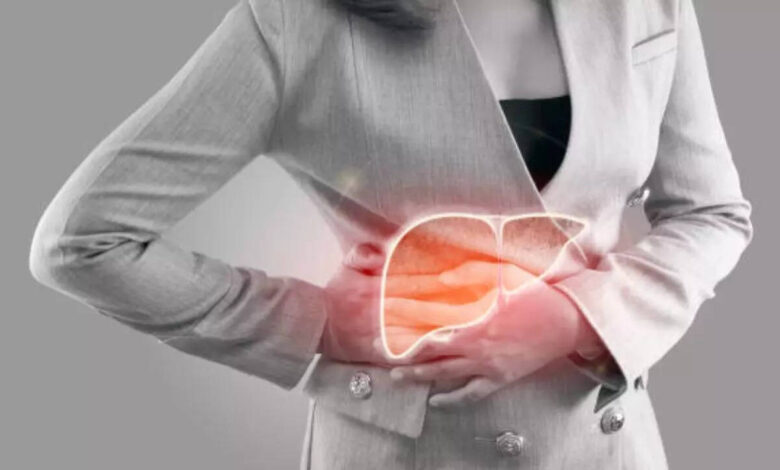
Liver related illnesses are emerging as one of the fastest growing health concerns across the globe. What makes the situation more alarming is that many people affected do not consume alcohol at all. Medical experts now say that non alcoholic fatty liver disease is quietly spreading and may impact a massive population in the coming decades if lifestyle patterns do not change.
A recent global study published in a leading medical journal highlights a worrying projection that by 2050 nearly 1.8 billion people could be affected by fatty liver conditions. The disease, now medically referred to as MASLD, was earlier known as NAFLD. It develops when excess fat accumulates in the liver even in the absence of alcohol consumption.
Doctors explain that the condition usually begins silently and progresses through stages. In severe cases it can advance to liver cirrhosis, which causes permanent damage and may even require a liver transplant. Earlier, such conditions were mostly linked to alcohol use, but today non drinkers are increasingly being diagnosed.
One of the biggest concerns raised by specialists is that symptoms often appear very late. Patients may ignore early warning signs like mild stomach discomfort or fatigue, allowing the condition to worsen over time without detection or treatment.

Medical experts point out that lifestyle habits are the primary driver behind this growing health issue. Lack of physical activity, unhealthy eating patterns, obesity and stress related high blood pressure are all contributing factors. In many cases, poor dietary choices combined with sedentary routines are silently damaging liver health.
The rise in fast food consumption has also become a major concern. With more people relying on processed and high fat meals, obesity rates have increased significantly, which directly impacts liver function. Experts warn that if this trend continues, the number of fatty liver cases could rise sharply in the coming years.
Surprisingly, younger adults are now among the most affected groups. Studies show higher cases in the age group of 35 to 39, while older individuals also remain at risk. Women above 55 are also seeing increasing numbers, but the overall trend indicates that younger populations are becoming more vulnerable due to modern lifestyle habits.
Common symptoms that may indicate early fatty liver include constant tiredness, mild pain on the right side of the abdomen, loss of appetite and digestive discomfort. However, these signs are often subtle and easily ignored in daily life.
Doctors strongly advise simple preventive measures to reduce risk. Maintaining a balanced diet, avoiding excessive fatty and processed foods, exercising regularly, and keeping blood pressure under control are key steps. Regular medical checkups are also recommended, especially for those with sedentary lifestyles or weight related issues.