

Why Grey Hair Appears in Children Early Causes and Health Concerns Explained
Early greying in children is becoming more common today and experts say it may point to nutritional deficiencies stress or underlying health conditions that should not be ignored for long term wellbeing.
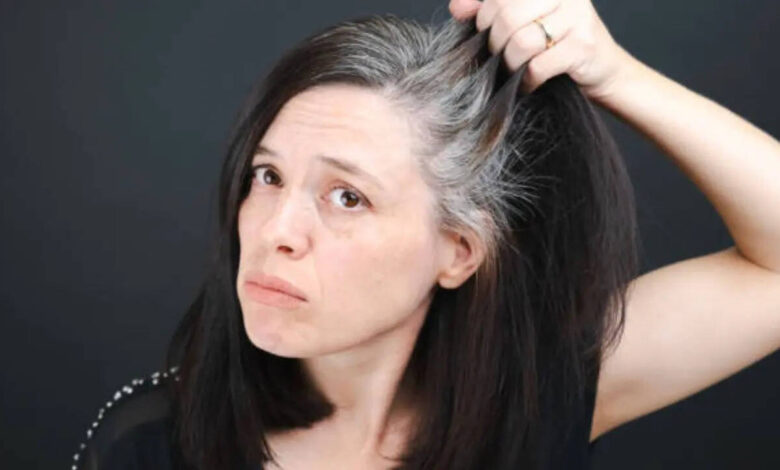
Grey hair was once seen mainly in older adults, but in recent years parents have started noticing this change even in young children. This unexpected development often causes concern in families. Health experts suggest that it should not be taken lightly, as it may sometimes indicate internal health imbalances or nutrient deficiencies that the body is trying to signal.
A child’s hair condition is often linked to overall nutrition and internal health. When the body lacks essential nutrients or faces internal imbalance, it can reflect in the form of premature greying. Doctors emphasize that such changes should be observed carefully and addressed early instead of being ignored.
One of the most common reasons behind early grey hair in children is vitamin deficiency. Lack of Vitamin B12, iron, calcium, and protein can directly affect hair pigmentation and strength. According to dermatology specialists, when hair follicles do not receive proper nourishment, they may lose color sooner than expected, leading to early greying.
In some cases, underlying medical conditions can also play a role. Thyroid disorders, autoimmune diseases, or certain skin related health issues may contribute to changes in hair color. If a child shows rapid or unusual greying, consulting a medical professional becomes important to rule out serious causes.


Genetics and lifestyle habits also influence this condition. If early greying runs in the family, it may appear in children as well. Along with that, unhealthy eating patterns, excessive junk food consumption, lack of sleep, and emotional stress can weaken hair health over time. Even exposure to chemical based hair products and environmental pollution may add to the problem.
Experts suggest that prevention starts with balanced nutrition. Including green vegetables, fruits, milk, pulses, and protein rich foods in a child’s daily diet can help support healthy hair growth. At the same time, maintaining proper sleep schedules and a stress free environment plays an equally important role in overall development.
Keeping hair clean and avoiding harsh chemical products can also make a difference. While early grey hair in children may appear like a minor cosmetic issue, health professionals warn that it can sometimes reflect deeper nutritional or physiological concerns. Timely attention and proper care can help manage the condition effectively and support better long term health.