

Why Fever Happens After Vaccination and What Science Actually Says About It
Fever after vaccination is a normal immune response, not a sign of illness, and experts explain how the body builds protection through a natural defense process that varies from person to person
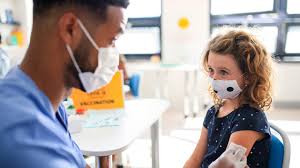
Every year between April 24 and April 30, the world observes Immunization Awareness Week to highlight the importance of vaccines in protecting people of all ages. According to the World Health Organization, vaccines have saved nearly 150 million lives in the past five decades, making them one of the most effective medical tools in modern history.
Even with this success, many people still notice a mild fever after getting vaccinated and often worry that something has gone wrong. However, medical experts clarify that this reaction is actually a normal sign of the body responding correctly, not a side effect that indicates harm.
When a vaccine enters the body, it contains weakened or inactive parts of a virus or bacteria. The immune system immediately recognizes these components as foreign and begins building a defense. This process triggers the production of antibodies, which are essential for long term protection against real infections in the future.
During this immune response, the body releases chemical messengers known as cytokines. These substances help coordinate the defense system but can also temporarily raise body temperature. As a result, some people experience fever, tiredness, or mild body aches, which are all signs that the immune system is actively working.


Interestingly, not everyone experiences fever in the same way. Some people show stronger physical reactions, while others go through the process without noticeable symptoms. In both cases, the immune system is still learning to recognize and fight the disease effectively.
Age also plays an important role in this response. Younger individuals tend to have more active immune systems, which is why they are more likely to develop fever after vaccination. Older adults, on the other hand, may experience milder symptoms due to a slower immune response.
Previous exposure to a virus or vaccine can also influence how the body reacts. If the immune system has already encountered a similar pathogen, it can respond more quickly and efficiently, often reducing the chances of fever or discomfort.
One of the most important facts experts emphasize is that the absence of fever does not mean the vaccine is ineffective. Fever is simply one possible reaction, not a requirement for immunity. Whether or not it appears, the vaccine still trains the immune system to protect the body.
Ultimately, these short term reactions should be seen as part of a healthy biological process. They indicate that the body is preparing its defenses, building protection quietly and effectively for the long run.