
Ashwagandha Leaf Ban Sparks Health Debate as Government Tightens Safety Rules
Authorities restrict use of Ashwagandha leaves in supplements citing liver safety concerns while experts clarify that traditional root based usage remains safe under regulated dosage guidance
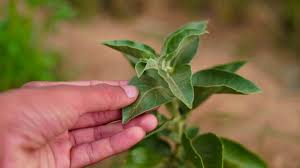
A major decision from health regulators has brought the spotlight back on one of Ayurveda’s most popular herbs, Ashwagandha. Known widely for its role in reducing stress, improving sleep, and supporting muscle strength, the herb has long been a trusted part of traditional wellness practices. However, recent regulatory action has changed how certain parts of the plant can be used in modern supplements.
The Indian Food Safety and Standards Authority along with the Ministry of AYUSH has issued new guidelines restricting the use of Ashwagandha leaves in health products. This move comes after growing concerns raised by researchers about the safety of leaf extracts when consumed in concentrated forms.
Experts explain that the main concern lies in a compound found in the leaves called Withaferin A. Studies suggest that excessive intake of this compound may place stress on the liver and could potentially lead to digestive discomfort or neurological side effects. While these risks are linked primarily to high concentration extracts, regulators decided to take a precautionary approach.
Interestingly, the restriction does not apply to the root of the plant, which remains the traditional and widely used form in Ayurveda. Specialists confirm that the root has been used for centuries in controlled amounts without major safety concerns. This distinction is important, as most classical formulations rely only on the root and not the leaves.


The new regulation is also expected to improve transparency in the wellness market. Companies will now need to clearly mention whether their products contain root or leaf extracts. This step is likely to help consumers make more informed choices and avoid low quality or misleading supplements that have entered the market in recent years.
Health professionals believe this decision could ultimately benefit consumers. By removing potentially risky formulations, the focus shifts back to safer traditional preparations. Many diet and wellness experts also stress that natural does not always mean risk free, especially when plant parts are used in concentrated or modified forms.
There is also growing awareness among users who purchase herbal supplements online or in stores. Experts advise checking labels carefully and choosing products that specifically mention root based formulations. This simple habit can significantly reduce unnecessary health risks.
While the debate continues in the wellness industry, officials maintain that the goal is not to discourage Ayurvedic use but to ensure safer practices. With increasing global interest in herbal medicine, such regulations are seen as a step toward balancing tradition with modern scientific safety standards.
In the end, the message from authorities is clear. Traditional Ayurvedic wisdom remains valuable, but responsible usage and proper regulation are essential to protect consumer health in today’s rapidly expanding herbal supplement market.